
In today’s volatile business landscape, mastering risk management through powerful analytics dashboards isn’t optional—it’s essential for organizational survival and competitive advantage.

Organizations across industries face an unprecedented array of threats, from cybersecurity breaches and supply chain disruptions to regulatory compliance challenges and market volatility. Traditional risk management approaches, relying on spreadsheets and periodic reports, simply cannot keep pace with the speed and complexity of modern business operations. This is where analytics dashboards transform the game entirely.
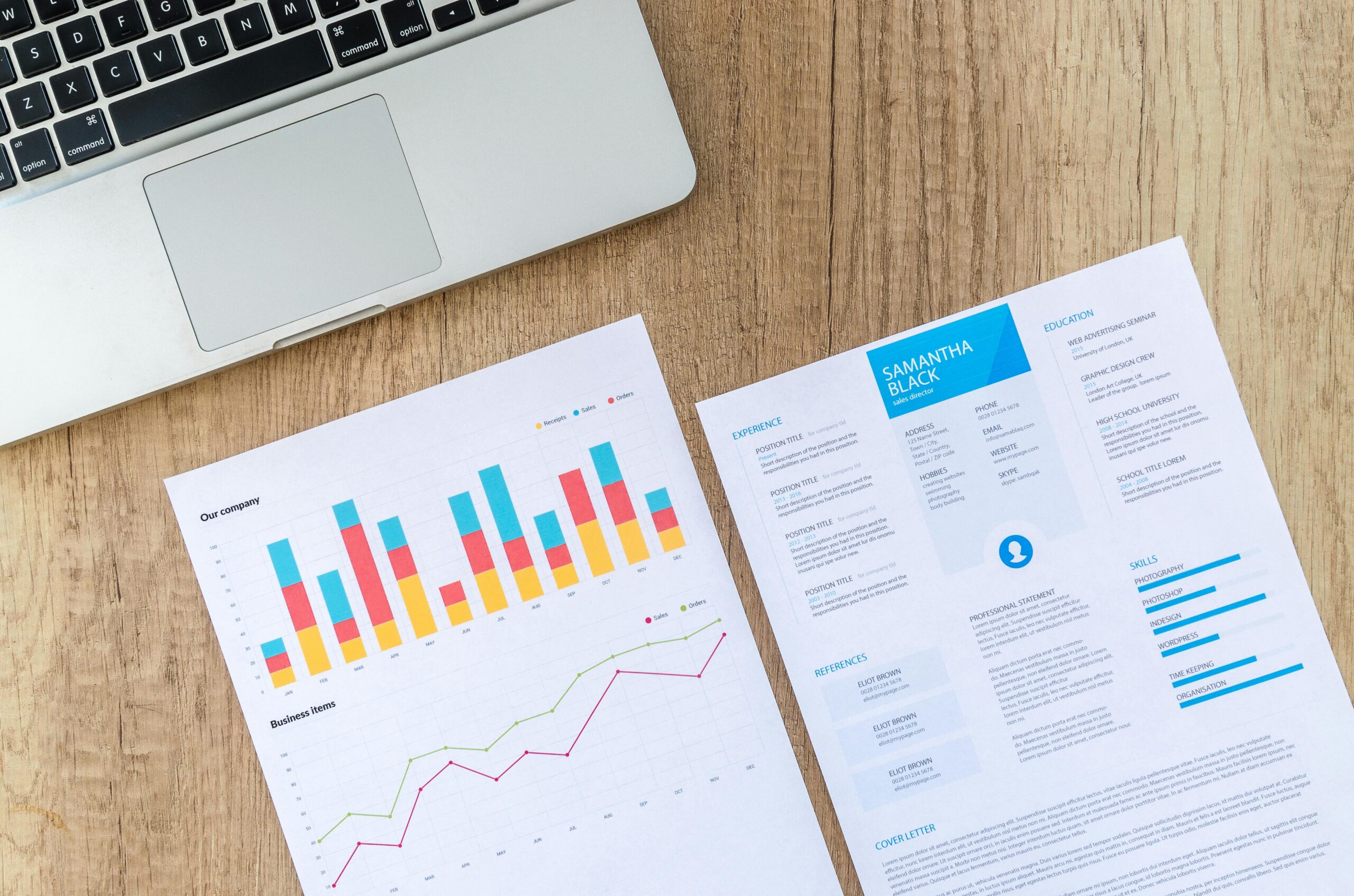
Analytics dashboards provide real-time visibility into risk factors, enabling decision-makers to identify, assess, and respond to threats before they escalate into costly crises. By consolidating data from multiple sources into intuitive visual interfaces, these powerful tools democratize risk intelligence across the organization, ensuring that everyone from C-suite executives to operational managers can make informed, risk-aware decisions.
🎯 The Evolution of Risk Management in the Digital Age
Risk management has undergone a dramatic transformation over the past decade. Gone are the days when quarterly risk assessments and annual audits sufficed. Today’s interconnected business environment demands continuous monitoring and proactive threat mitigation strategies.
Modern analytics dashboards leverage artificial intelligence, machine learning, and predictive modeling to identify emerging risks before they materialize. These sophisticated platforms aggregate data from financial systems, operational databases, external threat intelligence feeds, and even social media sentiment to provide a comprehensive risk landscape view.
The shift from reactive to predictive risk management represents a fundamental paradigm change. Organizations that embrace this transformation gain significant competitive advantages, including reduced operational disruptions, improved regulatory compliance, enhanced stakeholder confidence, and ultimately, better financial performance.
Understanding the Core Components of Risk Analytics Dashboards
Effective risk management dashboards incorporate several critical elements that work synergistically to provide actionable intelligence. Understanding these components helps organizations select and implement solutions that align with their specific needs and risk profiles.
Real-Time Data Integration and Aggregation
The foundation of any powerful analytics dashboard lies in its ability to integrate data from diverse sources seamlessly. This includes financial transactions, operational metrics, compliance records, market data, cybersecurity logs, and third-party risk intelligence.
Advanced dashboards employ APIs, data connectors, and automated data pipelines to ensure information flows continuously without manual intervention. This real-time capability enables organizations to detect anomalies and potential threats the moment they emerge, dramatically reducing response time and potential damage.
Intelligent Visualization and Reporting
Data without context is merely noise. Sophisticated dashboards transform raw information into intuitive visualizations that highlight critical patterns, trends, and outliers. Heat maps reveal concentration risks, trend lines display emerging threats, and threshold alerts notify stakeholders when key risk indicators breach acceptable levels.
The best dashboards offer customizable views tailored to different stakeholder groups. Board members need strategic overviews, compliance officers require detailed regulatory metrics, and operational managers benefit from granular departmental risk profiles. A truly powerful dashboard accommodates all these perspectives within a unified platform.
Predictive Analytics and Scenario Modeling
Perhaps the most transformative aspect of modern risk dashboards is their predictive capability. By applying machine learning algorithms to historical data patterns, these systems forecast potential future risks with remarkable accuracy.
Scenario modeling tools allow risk managers to simulate various threat conditions and assess their potential impact on operations, finances, and reputation. This capability enables proactive mitigation planning rather than reactive crisis management, fundamentally changing how organizations approach uncertainty.
🚀 Strategic Benefits That Drive Organizational Success
Implementing powerful analytics dashboards for risk management delivers tangible benefits that extend far beyond simple threat detection. Organizations that leverage these tools effectively experience transformative improvements across multiple dimensions of performance.
Enhanced Decision-Making Speed and Accuracy
When decision-makers have instant access to comprehensive risk intelligence presented in clear, actionable formats, the quality and speed of their decisions improve dramatically. Rather than waiting days or weeks for risk reports, executives can assess current conditions and make informed choices in real-time.
This acceleration proves particularly valuable during crisis situations where every minute counts. Whether responding to a cybersecurity incident, supply chain disruption, or sudden market shift, dashboard-equipped organizations can mobilize resources and implement countermeasures far more rapidly than competitors relying on traditional methods.
Improved Compliance and Regulatory Adherence
Regulatory compliance represents an increasingly complex challenge across virtually every industry. Financial services face Dodd-Frank and Basel III requirements, healthcare organizations must navigate HIPAA regulations, and businesses globally contend with GDPR and evolving data privacy laws.
Analytics dashboards streamline compliance management by continuously monitoring relevant metrics, flagging potential violations before they occur, and automatically generating audit trails and reports. This proactive approach not only reduces the risk of costly penalties but also demonstrates to regulators that the organization maintains robust governance frameworks.
Cost Reduction Through Preventive Action
The financial impact of effective risk management cannot be overstated. Studies consistently show that preventing crises costs significantly less than responding to them after they occur. Analytics dashboards enable this preventive approach by identifying vulnerabilities early when remediation remains relatively simple and inexpensive.
Organizations report substantial cost savings from reduced insurance premiums, fewer operational disruptions, lower fraud losses, and decreased regulatory penalties. The return on investment for comprehensive risk analytics platforms typically materializes within the first year of implementation.
Key Risk Categories to Monitor Through Your Dashboard
Comprehensive risk management requires visibility across multiple risk domains simultaneously. Leading organizations structure their analytics dashboards to provide holistic coverage of all significant threat categories relevant to their operations.
Financial Risk Exposure
Financial risks encompass market volatility, credit exposure, liquidity challenges, and currency fluctuations. Dashboards should track key financial risk indicators including value-at-risk (VaR) calculations, credit concentration metrics, cash flow projections, and debt covenant compliance levels.
Advanced financial risk dashboards integrate external market data feeds to provide context around internal metrics, helping treasury teams and CFOs understand how broader economic conditions might impact organizational stability.
Operational and Business Continuity Risks
Operational risks stem from process failures, technology outages, human errors, and supply chain disruptions. Effective dashboards monitor system uptime, process error rates, supplier performance metrics, and business continuity readiness indicators.
During the COVID-19 pandemic, organizations with robust operational risk dashboards adapted far more successfully than peers, quickly identifying critical vulnerabilities and implementing alternative workflows to maintain business continuity despite unprecedented disruptions.
Cybersecurity and Information Technology Threats
With cyber threats growing in sophistication and frequency, information security monitoring represents a critical dashboard component. Key metrics include intrusion detection alerts, vulnerability assessment results, patch management compliance, and user access anomalies.
Integration between risk dashboards and security information and event management (SIEM) systems creates powerful synergies, enabling security teams to correlate technical indicators with business impact assessments and prioritize response efforts accordingly.
Compliance and Regulatory Risk
Tracking compliance across multiple regulatory frameworks requires systematic monitoring of numerous specific requirements. Dashboards should display compliance status by regulation, highlight approaching deadlines, flag potential violations, and track remediation progress for identified gaps.
Automated compliance workflows integrated with analytics dashboards ensure that responsibilities are clearly assigned, evidence is systematically collected, and audit readiness is maintained continuously rather than through periodic scrambles before regulatory examinations.
Strategic and Reputational Risks
Perhaps the most challenging risk category to quantify, strategic and reputational threats can devastate organizational value despite being intangible. Advanced dashboards incorporate sentiment analysis from social media, news monitoring, customer feedback analysis, and competitive intelligence to provide early warning of emerging reputational challenges.
Leading organizations also track strategic risk indicators such as market share trends, innovation pipeline metrics, talent retention rates, and strategic initiative progress to ensure leadership maintains visibility into long-term positioning and competitiveness.
💡 Best Practices for Dashboard Implementation and Adoption
Deploying risk analytics dashboards involves more than simply purchasing software. Successful implementations follow proven methodologies that maximize user adoption and ensure the platform delivers its full potential value.
Start with Clear Objectives and Key Risk Indicators
Before selecting or configuring dashboard tools, organizations must clearly define what they need to monitor and why. This process involves identifying the most significant risks facing the organization, determining which metrics best represent those risks, and establishing acceptable thresholds for each indicator.
Engaging stakeholders across the organization during this definition phase ensures the final dashboard addresses real needs rather than simply displaying available data. Risk managers should facilitate workshops with department heads, executives, and operational teams to build consensus around priority risks and appropriate monitoring approaches.
Prioritize Data Quality and Governance
Analytics dashboards are only as valuable as the data they display. Organizations must establish robust data governance frameworks that ensure information accuracy, consistency, and timeliness. This includes defining data ownership, implementing validation rules, establishing update frequencies, and creating processes for addressing data quality issues.
Automated data quality checks within the dashboard platform help identify anomalies that might indicate upstream data problems, enabling rapid correction before inaccurate information influences critical decisions.
Design for Your Audience
Different users need different information presented in different ways. Board members require high-level strategic overviews with minimal technical detail. Operational managers need granular, actionable metrics relevant to their specific areas of responsibility. Compliance officers want detailed evidence trails and regulatory mapping.
Effective dashboard platforms offer role-based views that automatically present appropriate information to each user based on their responsibilities and authorization levels. This personalization increases engagement and ensures users can quickly find the insights most relevant to their decision-making needs.
Foster a Risk-Aware Culture
Technology alone cannot transform risk management effectiveness. Organizations must cultivate cultures where risk awareness permeates decision-making at all levels. Analytics dashboards support this cultural transformation by making risk information accessible, understandable, and actionable for everyone.
Training programs that teach employees how to interpret dashboard indicators and incorporate risk considerations into their daily work amplify the platform’s impact exponentially. When risk management becomes everyone’s responsibility rather than a specialized function, organizational resilience increases dramatically.
Integrating Advanced Technologies for Enhanced Capabilities
The frontier of risk analytics continues advancing rapidly as emerging technologies mature and become more accessible. Forward-thinking organizations are already incorporating these innovations into their risk management frameworks.
Artificial Intelligence and Machine Learning Applications
AI-powered risk dashboards can identify subtle patterns humans might miss, predict future risk events with increasing accuracy, and even recommend optimal mitigation strategies based on historical outcomes. Natural language processing enables these systems to analyze unstructured data sources like emails, contracts, and news articles, dramatically expanding the information available for risk assessment.
Machine learning algorithms continuously improve their predictive capabilities by learning from new data and outcomes, creating risk management systems that become more effective over time without requiring manual reconfiguration.
Internet of Things Integration
For organizations with significant physical assets or operational technology environments, IoT sensors provide unprecedented visibility into equipment performance, environmental conditions, and operational safety metrics. Integrating this telemetry data into risk dashboards enables predictive maintenance, early detection of safety hazards, and optimization of asset utilization.
Manufacturing facilities, logistics operations, healthcare institutions, and energy companies are leading the way in leveraging IoT-enhanced risk monitoring to prevent accidents, reduce downtime, and improve operational efficiency.
Blockchain for Risk Data Integrity
In environments where data integrity and auditability are paramount, blockchain technology offers compelling advantages. Immutable risk records, smart contract-based automated responses to risk events, and distributed ledger transparency can enhance stakeholder confidence in risk reporting and ensure regulatory compliance evidence remains tamper-proof.
While still emerging, blockchain integration in risk dashboards shows particular promise for supply chain risk management, financial services compliance, and pharmaceutical safety monitoring applications.
🎖️ Measuring Success and Demonstrating Value
To justify continued investment in risk analytics capabilities and drive ongoing improvement, organizations must systematically measure the effectiveness of their dashboard implementations.
Quantifiable Performance Metrics
Key performance indicators for risk dashboard effectiveness include reduction in incident frequency and severity, decreased time to detect and respond to threats, improved compliance audit results, lower insurance costs, and reduced financial volatility. Tracking these metrics over time demonstrates tangible value and identifies areas requiring enhancement.
Organizations should also measure user adoption rates, dashboard utilization frequency, and stakeholder satisfaction to ensure the platform achieves its intended purpose of informing and improving decision-making across the organization.
Continuous Improvement Methodology
Risk management dashboards should evolve as the organization’s risk profile changes and as new capabilities become available. Establishing regular review cycles—quarterly or semi-annually—ensures the platform continues meeting stakeholder needs and incorporating lessons learned from risk events and near-misses.
User feedback mechanisms built into the dashboard interface enable continuous collection of improvement suggestions, creating a virtuous cycle of enhancement that keeps the platform relevant and valuable over the long term.
Transforming Challenges into Competitive Advantages
The organizations that thrive in today’s uncertain business environment are those that transform risk management from a defensive compliance function into a strategic capability that enables bold, informed decision-making. Powerful analytics dashboards make this transformation possible by providing the visibility, insight, and confidence leaders need to navigate complexity successfully.
As digital transformation accelerates and business ecosystems grow increasingly interconnected, the competitive gap between organizations with sophisticated risk intelligence capabilities and those relying on traditional approaches will only widen. Now is the time to invest in analytics dashboards that position your organization not merely to survive disruption, but to capitalize on opportunities that emerge from change.
The journey toward risk management mastery begins with acknowledging that uncertainty is not simply a threat to be minimized, but a dimension of reality to be understood, measured, and managed strategically. Analytics dashboards provide the tools to accomplish this transformation, converting raw data into actionable intelligence, reactive processes into proactive strategies, and isolated risk functions into integrated organizational capabilities.
Organizations that embrace this approach discover that effective risk management doesn’t constrain growth—it enables it by providing the confidence to pursue ambitious strategies with clear understanding of potential challenges and prepared mitigation approaches. In this way, mastering risk management through powerful analytics becomes not just a defensive necessity, but a genuine source of competitive advantage and a driver of sustainable success.