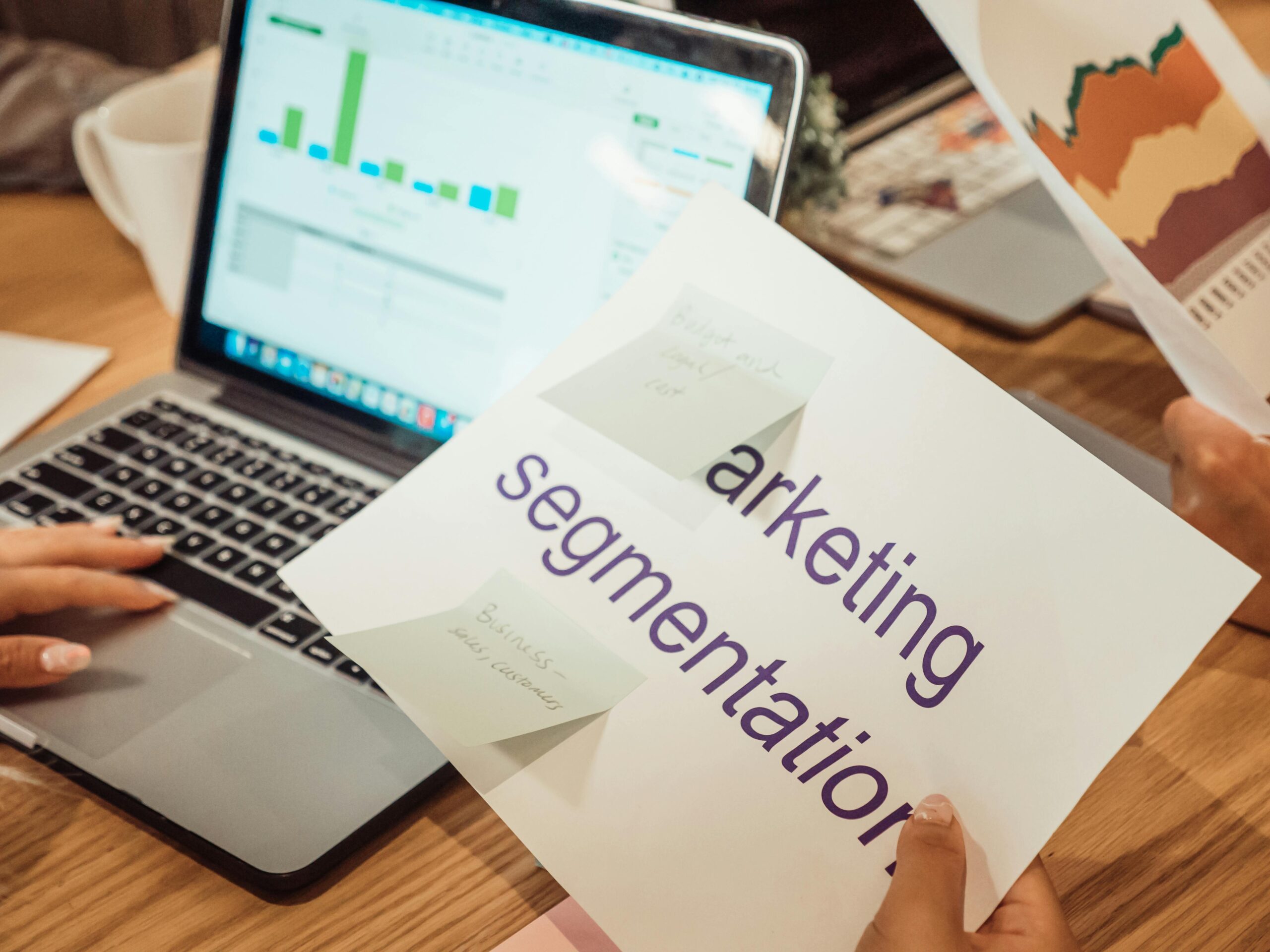
In today’s rapidly evolving business landscape, organizations that leverage Business Intelligence (BI) for operational forecasting gain a decisive competitive advantage through smarter, data-driven decisions.

The digital transformation era has fundamentally changed how businesses operate, compete, and succeed. Traditional gut-feeling decision-making no longer suffices in markets where milliseconds matter and customer preferences shift overnight. Business Intelligence-powered operational forecasting represents the convergence of advanced analytics, real-time data processing, and predictive modeling—creating a powerful framework that enables organizations to anticipate challenges, seize opportunities, and optimize resources with unprecedented precision.
Companies across industries are discovering that operational forecasting isn’t just about predicting the future—it’s about creating it. By harnessing the power of BI tools and methodologies, businesses can transform raw data into actionable insights that drive everything from inventory management to workforce planning, financial projections to customer experience optimization.
🔍 Understanding the Foundation: What is BI-Powered Operational Forecasting?
Operational forecasting powered by Business Intelligence combines historical data analysis, current performance metrics, and sophisticated algorithms to predict future business outcomes with remarkable accuracy. Unlike traditional forecasting methods that rely on spreadsheets and manual calculations, BI-driven approaches automate data collection, processing, and visualization while incorporating multiple variables and data sources simultaneously.
This approach transforms how organizations plan their daily operations, resource allocation, and strategic initiatives. The technology integrates seamlessly with existing systems—ERP platforms, CRM databases, supply chain management tools, and financial software—creating a unified ecosystem where data flows freely and insights emerge naturally.
The core components include data warehousing, real-time analytics engines, machine learning algorithms, and intuitive visualization dashboards. Together, these elements create a comprehensive forecasting infrastructure that adapts to changing conditions, learns from outcomes, and continuously refines its predictive capabilities.
📊 The Business Case: Why Operational Forecasting Matters Now More Than Ever
Market volatility, supply chain disruptions, shifting consumer behaviors, and economic uncertainties have created an environment where businesses cannot afford to operate reactively. Organizations need to anticipate demand fluctuations before they occur, identify potential bottlenecks before they impact operations, and optimize resource allocation based on predictive insights rather than historical averages.
Research consistently demonstrates that companies employing advanced operational forecasting techniques outperform their competitors across multiple metrics. They maintain leaner inventories while avoiding stockouts, optimize labor costs while improving employee satisfaction, and achieve higher customer satisfaction scores through better service delivery predictions.
The financial implications are substantial. Businesses implementing BI-powered forecasting typically reduce operational costs by 15-25% while simultaneously improving revenue predictability and growth rates. These improvements stem from better alignment between supply and demand, reduced waste, optimized pricing strategies, and enhanced ability to capitalize on emerging market opportunities.
💡 Key Capabilities That Transform Business Operations
Modern BI-powered operational forecasting platforms deliver capabilities that were unimaginable just a decade ago. Understanding these capabilities helps organizations identify which features align with their specific business needs and strategic objectives.
Real-Time Demand Prediction
Gone are the days when businesses relied on monthly or quarterly forecasts. Today’s BI systems analyze customer behavior patterns, market trends, seasonal variations, and external factors in real-time, providing continuously updated demand predictions. Retailers can adjust inventory levels hourly, manufacturers can modify production schedules daily, and service providers can optimize staffing dynamically based on predicted demand patterns.
Multi-Dimensional Scenario Planning
BI platforms enable businesses to model multiple scenarios simultaneously, examining how various factors might interact and influence outcomes. Organizations can test “what-if” scenarios—exploring how price changes, marketing campaigns, competitor actions, or economic shifts might impact their operations. This capability transforms strategic planning from guesswork into science, allowing leaders to make informed decisions backed by data-driven projections.
Automated Anomaly Detection
Advanced algorithms constantly monitor operational metrics, identifying deviations from expected patterns before they escalate into significant problems. Whether it’s an unexpected spike in customer complaints, unusual inventory movements, or abnormal transaction patterns, BI systems flag these anomalies instantly, enabling rapid response and mitigation.
Cross-Functional Integration
The most powerful forecasting systems break down organizational silos by integrating data from sales, operations, finance, marketing, and customer service. This holistic approach reveals correlations and dependencies that remain invisible when departments operate in isolation, enabling more accurate predictions and better-coordinated responses.
🚀 Implementation Strategies for Maximum Impact
Successfully implementing BI-powered operational forecasting requires more than purchasing software—it demands a strategic approach that aligns technology with business objectives, culture, and existing capabilities.
Begin by assessing your current data infrastructure and identifying gaps. Many organizations discover they have abundant data but lack the quality, consistency, or accessibility needed for effective forecasting. Addressing these foundational issues—through data cleansing, standardization, and governance initiatives—creates the solid foundation upon which forecasting systems can thrive.
Start with focused pilot projects rather than attempting enterprise-wide implementation immediately. Select high-impact use cases where forecasting improvements deliver measurable business value quickly. Common starting points include demand forecasting for top-selling products, staffing optimization for customer service operations, or cash flow prediction for financial planning.
Invest in training and change management from day one. The most sophisticated forecasting technology delivers minimal value if employees don’t understand how to interpret insights or integrate them into decision-making processes. Build internal expertise through comprehensive training programs, establish clear protocols for how forecasts inform decisions, and celebrate early wins to build organizational momentum.
🎯 Industry-Specific Applications That Drive Results
While the principles of BI-powered operational forecasting apply universally, specific applications vary dramatically across industries, each facing unique challenges and opportunities.
Retail and E-Commerce
Retailers leverage operational forecasting to optimize inventory across hundreds or thousands of SKUs and multiple locations simultaneously. Advanced systems predict demand at granular levels—specific products, store locations, and time periods—enabling precision inventory management that minimizes carrying costs while maximizing product availability. Promotional planning becomes more effective as forecasting models predict customer response to various offers, helping retailers optimize markdown strategies and maximize margin preservation.
Manufacturing and Supply Chain
Manufacturers use forecasting to balance production capacity with demand fluctuations, optimize raw material procurement, and coordinate complex supply chain networks. Predictive maintenance applications forecast equipment failures before they occur, reducing unplanned downtime and extending asset lifespans. Supply chain forecasting anticipates disruptions, enabling proactive mitigation through alternative sourcing or inventory buffering strategies.
Healthcare Services
Healthcare organizations forecast patient volumes, resource requirements, and staffing needs with increasing accuracy, improving care quality while controlling costs. Emergency departments predict admission rates based on time-of-day, season, weather patterns, and local events, enabling dynamic staffing adjustments. Hospital systems optimize bed capacity, surgical schedules, and supply inventories through sophisticated forecasting models that account for numerous variables simultaneously.
Financial Services
Banks and financial institutions employ operational forecasting for liquidity management, transaction volume prediction, fraud detection, and customer behavior modeling. Credit risk assessment becomes more accurate through models that incorporate broader datasets and more sophisticated analytics. Customer lifetime value predictions inform marketing investments and retention strategies with unprecedented precision.
⚙️ Overcoming Common Implementation Challenges
Despite its transformative potential, implementing BI-powered operational forecasting presents challenges that organizations must navigate thoughtfully and strategically.
Data quality issues represent the most common obstacle. Forecasting accuracy depends entirely on input data quality—incomplete records, inconsistent formats, duplicate entries, and outdated information all degrade predictive capabilities. Addressing these issues requires sustained investment in data governance, quality assurance processes, and system integration efforts.
Organizational resistance often emerges when forecasting systems challenge established practices or redistribute decision-making authority. Long-tenured employees who built careers on experiential knowledge may resist data-driven approaches that seem to diminish their expertise. Managing this transition requires sensitive change management that positions BI tools as augmenting rather than replacing human judgment.
Technical complexity can overwhelm organizations lacking strong analytics capabilities. Modern BI platforms offer tremendous functionality, but extracting value requires expertise in data science, statistical modeling, and business analysis. Building internal capabilities through hiring, training, or partnerships ensures organizations can fully leverage their technology investments.
Integration with legacy systems presents technical challenges for many organizations, particularly those operating older ERP or operational systems not designed for modern data exchange. Middleware solutions, API development, and phased migration strategies help bridge these gaps while maintaining operational continuity.
📈 Measuring Success: KPIs That Matter
Effective performance measurement ensures BI initiatives deliver tangible business value and enables continuous improvement through data-driven refinement.
Forecast accuracy metrics provide the most direct assessment of predictive performance. Track mean absolute percentage error (MAPE), forecast bias, and prediction intervals across different time horizons and business dimensions. Establish baseline measurements before implementation and monitor improvement trends over time.
Operational efficiency indicators reveal how forecasting improvements translate into business performance. Monitor inventory turnover rates, stockout frequencies, labor utilization percentages, and capacity utilization metrics. Positive trends in these areas demonstrate that better predictions are driving better operational decisions.
Financial impact measures connect forecasting improvements to bottom-line results. Track cost reductions in inventory carrying, overtime expenses, expedited shipping, and waste. Monitor revenue improvements from better product availability, optimized pricing, and improved customer satisfaction. Calculate return on investment by comparing these benefits against total implementation and ongoing operational costs.
User adoption metrics ensure the technology is actually being used effectively throughout the organization. Monitor dashboard access frequency, report utilization rates, and user satisfaction scores. Low adoption often signals usability issues, inadequate training, or misalignment between system capabilities and user needs.
🔮 Future Trends Reshaping Operational Forecasting
The operational forecasting landscape continues evolving rapidly as emerging technologies and methodologies create new possibilities for business intelligence applications.
Artificial intelligence and machine learning capabilities are becoming increasingly sophisticated and accessible. Next-generation forecasting systems will automatically select optimal algorithms for specific use cases, continuously retrain models based on new data, and explain their predictions in natural language that business users easily understand. These advancements will democratize advanced analytics, enabling smaller organizations to access capabilities previously available only to large enterprises with substantial data science teams.
Edge computing and Internet of Things (IoT) integration will enable forecasting based on unprecedented data volumes and granularity. Sensors throughout supply chains, manufacturing facilities, retail environments, and product ecosystems will generate real-time data streams that feed directly into forecasting models, enabling prediction accuracy and responsiveness that current approaches cannot achieve.
Cloud-native architectures will make enterprise-grade forecasting capabilities available through scalable, consumption-based pricing models. Organizations will spin up sophisticated forecasting environments rapidly without massive infrastructure investments, experiment with advanced techniques at low risk, and scale capabilities seamlessly as needs grow.
Collaborative forecasting platforms will break down barriers between organizations, enabling supply chain partners, distributors, and retailers to share insights and create synchronized forecasts that optimize entire value chains rather than individual organizations. Blockchain technologies may enable secure, transparent data sharing that preserves competitive confidentiality while improving collective forecasting accuracy.
🎪 Building a Data-Driven Decision Culture
Technology alone cannot transform business decision-making—cultural change is equally essential. Organizations must cultivate environments where data-driven insights inform decisions at all levels, from strategic planning to daily operations.
Leadership commitment sets the tone for organization-wide adoption. When executives consistently reference BI insights in communications, base strategic decisions on forecasting outputs, and hold teams accountable for using available data effectively, it signals that data-driven decision-making is a core organizational value rather than a technology initiative.
Transparency around forecasting methodologies, assumptions, and limitations builds trust in predictive insights. When employees understand how forecasts are generated, what data feeds them, and their inherent uncertainties, they develop appropriate confidence in using these tools while maintaining healthy skepticism that prevents over-reliance on any single data source.
Continuous learning and experimentation create environments where forecasting capabilities improve constantly. Encourage teams to test new approaches, analyze forecast accuracy systematically, and share insights across departments. Establish feedback loops that capture learnings from forecasting successes and failures, incorporating these lessons into refined models and processes.

🌟 Taking the First Step Toward Transformation
The journey toward BI-powered operational forecasting begins with a single decision—the commitment to transform how your organization understands its future and makes decisions in the present. This transformation doesn’t require massive budgets or years of preparation, but it does demand strategic thinking, organizational commitment, and willingness to challenge established practices.
Start by identifying the business questions that matter most to your organization’s success. Which uncertainties create the greatest risks or opportunities? Where would improved predictions deliver the most significant value? These questions guide technology selection, implementation priorities, and success metrics that align with genuine business needs.
Engage stakeholders across your organization early and often. Operational forecasting touches virtually every function, and successful implementation requires buy-in from diverse perspectives. Include representatives from IT, operations, finance, sales, and executive leadership in planning discussions, ensuring the solution addresses technical requirements, operational realities, and strategic objectives simultaneously.
Partner with experienced vendors and consultants who understand both the technology and your industry’s unique challenges. The BI marketplace offers numerous solutions with varying capabilities, costs, and implementation complexities. Experienced partners help navigate this landscape, avoiding costly missteps while accelerating time-to-value.
The future belongs to organizations that harness data not just to understand what happened or what’s happening, but to anticipate what’s coming and position themselves accordingly. BI-powered operational forecasting provides the tools, insights, and competitive advantages that separate market leaders from followers. The question isn’t whether to embrace this transformation—it’s how quickly your organization can realize its benefits and establish the sustainable competitive advantages that data-driven forecasting enables. Your journey toward smarter, more confident decision-making starts now.