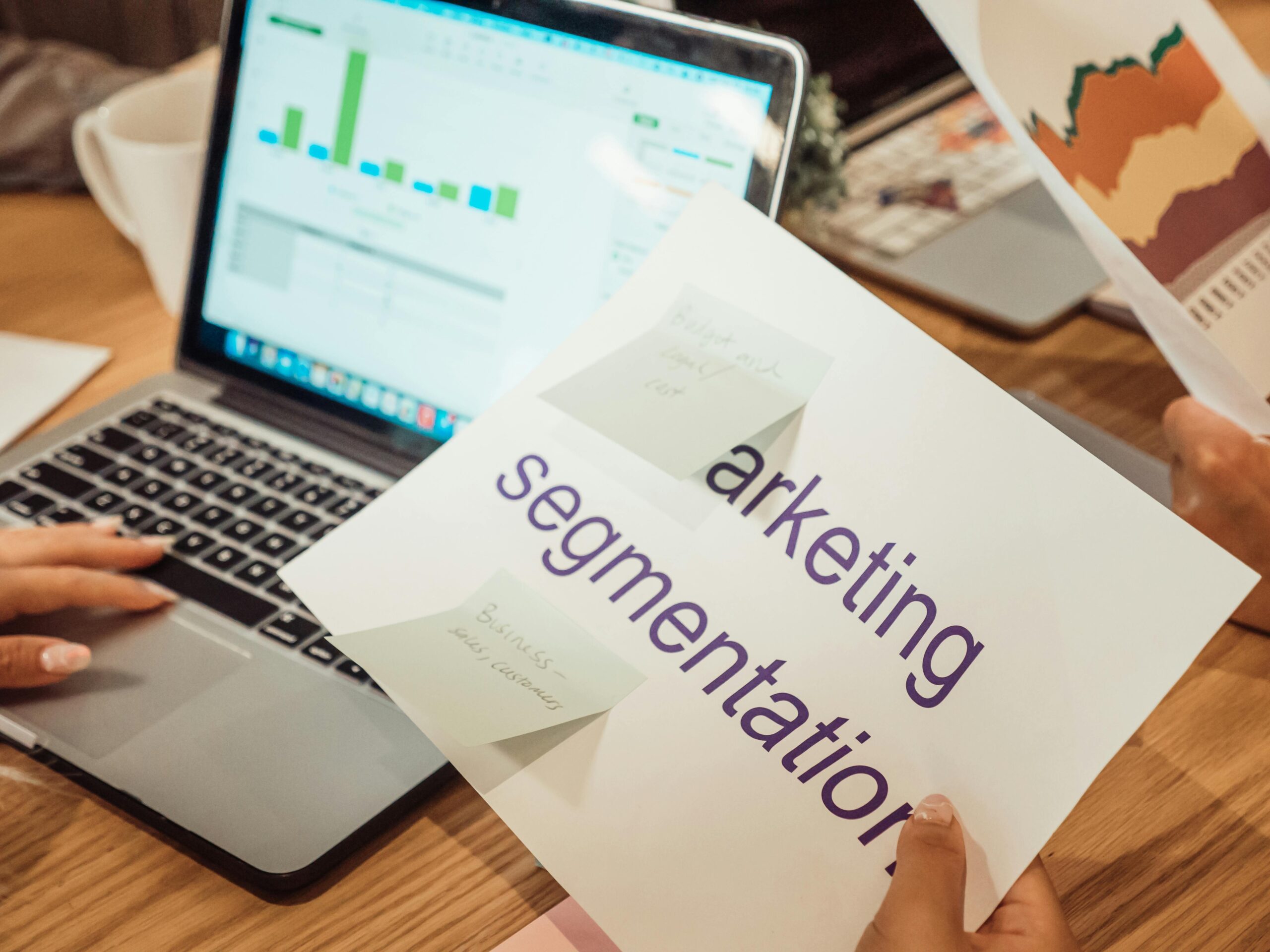
Predictive demand forecasting is transforming how modern businesses operate, enabling data-driven decisions that reduce waste, optimize inventory, and maximize profitability in today’s competitive marketplace.

🚀 The Power of Predictive Analytics in Modern Business
The business landscape has evolved dramatically over the past decade. Companies that once relied on gut feeling and historical trends are now harnessing the power of advanced predictive models to stay ahead of market fluctuations. Demand forecasting has moved from spreadsheet-based calculations to sophisticated machine learning algorithms capable of processing vast amounts of data in real-time.
Traditional forecasting methods often fall short in capturing the complexity of modern consumer behavior. Seasonal patterns, economic indicators, social media trends, weather conditions, and countless other variables influence demand in ways that simple historical analysis cannot predict. This is where predictive modeling becomes not just advantageous but essential for business survival.
Organizations implementing predictive demand forecasting report significant improvements across multiple metrics. Inventory costs decrease by up to 30%, stockouts reduce by 50%, and overall supply chain efficiency increases substantially. These aren’t just incremental improvements—they represent fundamental shifts in how businesses operate and compete.
Understanding the Foundation of Predictive Demand Models
Predictive models for demand forecasting combine statistical methods, machine learning algorithms, and business intelligence to create accurate predictions about future product or service demand. Unlike reactive approaches that simply respond to changes after they occur, predictive models anticipate shifts before they happen, giving businesses a critical competitive advantage.
The foundation of effective predictive modeling rests on three pillars: quality data, appropriate algorithms, and continuous refinement. Each component plays a crucial role in determining the accuracy and reliability of forecasts. Without high-quality historical data, even the most sophisticated algorithms will produce unreliable results. Similarly, selecting the wrong modeling approach for your specific business context can lead to costly mistakes.
Key Components of Successful Forecasting Systems
Building an effective predictive demand forecasting system requires understanding several interconnected elements that work together to generate accurate predictions:
- Historical sales data: The backbone of any forecasting model, providing patterns and trends that algorithms can learn from
- External variables: Economic indicators, weather patterns, competitor actions, and market trends that influence demand
- Seasonality factors: Recurring patterns tied to time periods, holidays, or industry-specific cycles
- Promotional impact: How marketing campaigns, discounts, and special offers affect purchasing behavior
- Market segmentation: Understanding different customer groups and their unique purchasing patterns
- Lead time considerations: Factoring in production and delivery timelines for accurate planning
📊 Choosing the Right Predictive Modeling Approach
Not all predictive models are created equal, and selecting the appropriate methodology depends on your business type, data availability, and specific forecasting needs. Several established approaches have proven effective across different industries and contexts.
Time series analysis remains one of the most popular methods for demand forecasting. Techniques like ARIMA (AutoRegressive Integrated Moving Average) and exponential smoothing work particularly well when historical patterns show clear trends and seasonality. These methods analyze sequential data points over time to identify patterns that are likely to continue into the future.
Machine learning algorithms have revolutionized forecasting capabilities in recent years. Random forests, gradient boosting machines, and neural networks can capture complex, non-linear relationships that traditional statistical methods miss. These algorithms excel at handling large datasets with multiple variables and can automatically identify intricate patterns without explicit programming.
Comparing Popular Forecasting Techniques
| Method | Best For | Complexity | Data Requirements |
|---|---|---|---|
| Moving Averages | Simple, stable demand | Low | Minimal historical data |
| ARIMA Models | Trend and seasonal patterns | Medium | Moderate historical data |
| Random Forest | Multiple influencing factors | Medium-High | Large, diverse datasets |
| Neural Networks | Complex, non-linear patterns | High | Extensive historical data |
| Ensemble Methods | Maximum accuracy needs | High | Large, comprehensive datasets |
🎯 Implementing Predictive Forecasting in Your Organization
Successfully implementing predictive demand forecasting requires more than just selecting the right algorithm. It demands a strategic approach that considers organizational readiness, data infrastructure, and change management.
The first step involves assessing your current data capabilities. What historical information do you have access to? Is it clean, consistent, and comprehensive? Many organizations discover that their data quality issues prevent effective forecasting before they even begin modeling. Investing time in data cleaning and standardization pays significant dividends in forecast accuracy.
Next, start with pilot projects rather than organization-wide implementations. Select a product line or market segment where you have good data quality and clear success metrics. This approach allows you to demonstrate value quickly, learn from early challenges, and build organizational confidence in predictive methods.
Building Your Forecasting Technology Stack
Modern demand forecasting relies on integrated technology solutions that connect data sources, processing power, and visualization tools. Cloud-based platforms have made sophisticated forecasting capabilities accessible to businesses of all sizes, eliminating the need for massive IT infrastructure investments.
Leading organizations typically combine several tools into their forecasting ecosystem. Statistical software like R or Python provides flexibility for custom model development. Business intelligence platforms offer user-friendly interfaces for non-technical stakeholders. Specialized forecasting software bridges the gap, providing pre-built models with customization options.
Integration capabilities are crucial. Your forecasting solution must connect seamlessly with existing ERP systems, inventory management platforms, and sales databases. Automated data pipelines ensure models always work with current information, while API connections enable real-time forecast updates as new data becomes available.
💡 Real-World Applications Across Industries
Predictive demand forecasting delivers value across virtually every industry, though specific applications and benefits vary based on sector characteristics and business models.
Retailers use predictive models to optimize inventory levels across thousands of SKUs and multiple locations. By accurately forecasting demand at the store level, they reduce overstock situations that lead to markdowns while preventing stockouts that frustrate customers and drive sales to competitors. Seasonal retailers particularly benefit, as predictive models help them navigate the extreme demand fluctuations inherent in their business.
Manufacturing companies leverage demand forecasts to optimize production scheduling and raw material procurement. Accurate predictions allow them to maintain lean inventory while ensuring production capacity aligns with anticipated orders. This balance reduces working capital requirements and minimizes waste from excess production or expired materials.
Service Industry Transformation
Service businesses face unique forecasting challenges since they cannot inventory their product. A hotel room or restaurant table that goes unused represents permanent lost revenue. Predictive models help service providers optimize staffing levels, dynamic pricing strategies, and capacity planning.
Healthcare organizations use demand forecasting to anticipate patient volumes, optimize staffing schedules, and manage supply chains for medical supplies and pharmaceuticals. Accurate forecasts improve patient care by ensuring appropriate resources are available while controlling costs through better resource allocation.
The logistics and transportation sector relies heavily on demand predictions to optimize route planning, fleet sizing, and warehouse operations. E-commerce growth has intensified these needs, with companies processing millions of shipments requiring precise forecasts to maintain service levels while controlling costs.
🔍 Measuring and Improving Forecast Accuracy
Implementing predictive models represents just the beginning of the forecasting journey. Continuous measurement and improvement separate organizations that achieve forecasting excellence from those that see marginal benefits.
Several metrics help quantify forecast accuracy. Mean Absolute Percentage Error (MAPE) expresses accuracy as a percentage, making it easy to understand and compare across different products or time periods. Mean Absolute Deviation (MAD) measures average forecast error in the same units as your demand, providing intuitive interpretation. Forecast bias reveals whether your models systematically over-predict or under-predict, highlighting potential model issues.
Regular accuracy reviews should examine performance at multiple levels. Overall accuracy metrics provide a high-level view, but drilling down into specific products, regions, or time periods often reveals opportunities for targeted improvements. Some items may forecast well with simple methods, while others require more sophisticated approaches.
Creating a Culture of Continuous Improvement
The most successful forecasting organizations treat prediction as an ongoing process rather than a one-time project. They establish feedback loops where actual results continuously inform model refinement. When forecasts miss significantly, they investigate root causes rather than accepting error as inevitable.
Cross-functional collaboration enhances forecast quality. Sales teams provide insights into upcoming promotions and market changes. Operations contributes knowledge about capacity constraints and supply chain disruptions. Finance offers perspective on broader economic trends affecting demand. Combining quantitative model outputs with qualitative human insight typically produces better results than either approach alone.
🌟 Overcoming Common Implementation Challenges
Despite the clear benefits, many organizations struggle with predictive forecasting implementation. Understanding common pitfalls helps you avoid them and accelerate your journey to forecasting maturity.
Data quality issues rank as the most frequent obstacle. Incomplete records, inconsistent formatting, and siloed information systems create barriers that prevent effective modeling. Organizations must invest in data governance and quality initiatives as prerequisites for successful forecasting. This may seem tedious, but clean, integrated data unlocks value far beyond just demand prediction.
Organizational resistance represents another significant challenge. People comfortable with existing approaches may view predictive models skeptically, particularly when forecasts contradict their intuition. Change management strategies that involve stakeholders early, demonstrate quick wins, and provide training help overcome this resistance.
Technology complexity can overwhelm organizations without strong analytical capabilities. Starting with user-friendly forecasting software rather than building custom solutions from scratch often provides a faster path to value. As your organization’s forecasting maturity grows, you can gradually incorporate more sophisticated techniques.
The Competitive Advantage of Predictive Forecasting
In today’s fast-paced business environment, the ability to anticipate rather than react creates significant competitive advantages. Companies with superior demand forecasting make better strategic decisions, operate more efficiently, and serve customers more effectively than competitors relying on outdated methods.
Financial benefits extend beyond obvious cost savings from optimized inventory. Better forecasts improve cash flow by reducing capital tied up in excess stock. They enable more profitable pricing strategies by identifying when and where demand will be strongest. Revenue increases as product availability improves and marketing investments target the right products at optimal times.
Customer satisfaction improves when businesses consistently have desired products available without long wait times. In an era where consumers expect immediate gratification, the ability to meet demand reliably builds loyalty and drives positive word-of-mouth. Conversely, frequent stockouts or long lead times push customers toward competitors.

🚪 Taking Your First Steps Toward Forecasting Excellence
Beginning your predictive forecasting journey need not be overwhelming. Focus on building capabilities incrementally while delivering measurable value at each stage.
Start by documenting your current forecasting process and identifying pain points. Where do you experience the most significant forecasting errors? Which products or categories have the highest financial impact? Targeting these areas first maximizes the return on your forecasting investments.
Invest in your team’s analytical capabilities through training and potentially new hires. Forecasting excellence requires people who understand both business context and analytical methods. This combination of domain knowledge and technical skill creates insights that pure data science or business experience alone cannot achieve.
Partner with technology vendors or consultants who can accelerate your learning curve. While building internal capabilities remains important, external expertise helps you avoid common mistakes and implement best practices from the start. Many organizations find that a hybrid approach—combining external guidance with internal development—works best.
Set realistic expectations about accuracy improvements and implementation timelines. Forecasting is both art and science, and perfection remains impossible. However, even modest accuracy gains typically deliver substantial financial benefits when applied across your entire operation.
The future belongs to organizations that harness data effectively to make smarter decisions. Predictive demand forecasting represents one of the most impactful applications of business analytics, directly influencing profitability, customer satisfaction, and competitive positioning. Companies that invest in these capabilities today position themselves for sustained success in an increasingly data-driven marketplace. The question is not whether to implement predictive forecasting, but how quickly you can build these critical capabilities before competitors establish insurmountable advantages.