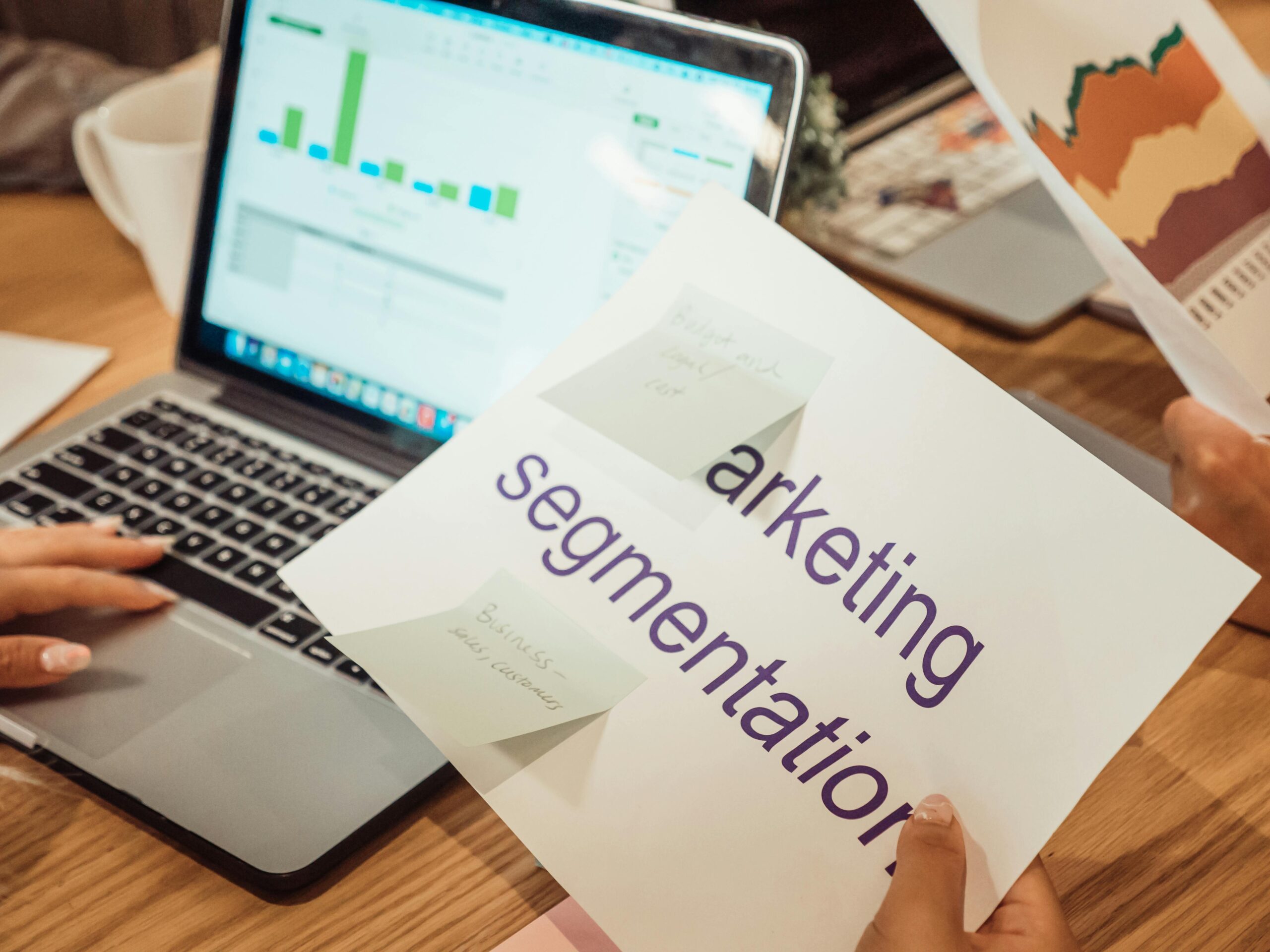
Predictive analytics is revolutionizing how businesses approach pricing strategies, turning raw data into powerful revenue-generating insights that drive profitability and competitive advantage.

💡 The Revenue Revolution: Why Traditional Pricing Falls Short
Traditional pricing strategies often rely on gut feelings, historical averages, or simple cost-plus formulas. While these methods served businesses well in the past, today’s dynamic marketplace demands something more sophisticated. Consumer behaviors shift rapidly, competitors adjust prices in real-time, and market conditions fluctuate unpredictably.
Predictive analytics bridges this gap by leveraging machine learning algorithms, historical data patterns, and real-time market intelligence. This technology empowers businesses to anticipate customer responses, optimize price points, and maximize revenue across diverse market segments simultaneously.
Companies implementing predictive pricing strategies report revenue increases ranging from 2% to 10%, with some organizations experiencing even more dramatic improvements. The difference lies not just in setting higher prices, but in finding the optimal price point that balances customer willingness to pay with profit maximization.
📊 Understanding the Mechanics of Predictive Pricing Analytics
Predictive analytics for pricing operates by processing vast amounts of data through sophisticated algorithms. These systems analyze customer purchase histories, browsing behaviors, demographic information, seasonal trends, competitor pricing, inventory levels, and economic indicators.
The technology identifies patterns invisible to human analysis. For instance, it might discover that customers in specific geographic regions show higher price sensitivity on weekday mornings but demonstrate willingness to pay premium prices on weekend evenings. Such granular insights enable precision pricing strategies.
Core Components of Effective Predictive Pricing Systems
A robust predictive pricing framework incorporates several essential elements working in concert. Data collection mechanisms gather information from multiple touchpoints including point-of-sale systems, e-commerce platforms, customer relationship management software, and external market sources.
Machine learning models then process this data, identifying correlations between variables and predicting outcomes. Advanced systems employ techniques like regression analysis, neural networks, decision trees, and ensemble methods to generate accurate forecasts.
The visualization layer translates complex analytical outputs into actionable insights that business leaders can understand and implement. Dashboards display price elasticity curves, demand forecasts, revenue projections, and recommended pricing adjustments.
🎯 Strategic Implementation: Building Your Predictive Pricing Framework
Implementing predictive analytics for pricing requires careful planning and execution. Organizations must first assess their current data infrastructure, identifying gaps in collection, storage, and processing capabilities.
Start by defining clear objectives. Are you seeking to maximize revenue, increase market share, improve profit margins, or achieve a combination of goals? Your objectives will shape which metrics to prioritize and how algorithms should be trained.
Data Foundation: The Bedrock of Accurate Predictions
Quality data is non-negotiable for predictive pricing success. Begin by consolidating information from disparate sources into a unified data warehouse. Ensure data accuracy through validation processes, removing duplicates, correcting errors, and filling gaps where possible.
Historical transaction data should span at least 12-24 months to capture seasonal variations and trend patterns. Include details like product identifiers, purchase dates, quantities, prices, promotional codes, customer identifiers, and contextual information about market conditions at the time of purchase.
External data sources enrich internal datasets significantly. Incorporate competitor pricing information, economic indicators, weather patterns (surprisingly influential for many product categories), social media sentiment, and industry-specific factors relevant to your business.
🚀 Dynamic Pricing Strategies Powered by Predictive Intelligence
Predictive analytics enables several sophisticated pricing approaches that adapt to changing conditions automatically. Dynamic pricing adjusts rates in real-time based on current demand, inventory levels, competitor actions, and predicted future conditions.
Airlines and hotels pioneered this approach, but it now extends across retail, entertainment, transportation, and service industries. The key is balancing price optimization with customer perception to avoid backlash from excessive fluctuations.
Segmentation-Based Pricing for Maximum Impact
Not all customers respond identically to price changes. Predictive analytics identifies distinct customer segments based on price sensitivity, purchase frequency, product preferences, and lifetime value potential.
For high-value customers demonstrating low price sensitivity, you might maintain premium pricing or offer exclusive products. Price-sensitive segments might receive targeted promotions or value-oriented alternatives, maximizing conversion rates without eroding margins on less elastic customers.
Personalized pricing takes segmentation further by tailoring offers to individual customers. While controversial in some contexts, when implemented transparently within legal and ethical boundaries, it can significantly boost revenue and customer satisfaction simultaneously.
📈 Measuring Success: Key Performance Indicators for Predictive Pricing
Tracking the right metrics ensures your predictive pricing strategy delivers intended results. Revenue per available unit measures how effectively you’re monetizing inventory, particularly valuable for perishable products or time-sensitive services.
Price elasticity coefficients quantify how demand responds to price changes for specific products or customer segments. Understanding these relationships enables confident pricing decisions with predictable outcomes.
Conversion rate optimization reveals whether adjusted prices are improving or hindering purchase decisions. Monitor this metric across different price points, customer segments, and product categories to identify optimal strategies.
Beyond Revenue: Holistic Success Metrics
While revenue growth often headlines predictive pricing discussions, comprehensive evaluation considers multiple dimensions. Profit margin improvement might matter more than top-line revenue for businesses with thin margins or high operational costs.
Customer lifetime value provides long-term perspective, ensuring short-term pricing tactics don’t damage future revenue potential. Monitor churn rates and repeat purchase frequency to detect whether aggressive pricing alienates loyal customers.
Market share movement indicates competitive positioning. Sometimes maintaining share while improving margins represents greater success than pure revenue maximization at the expense of profitability.
⚠️ Navigating Common Pitfalls in Predictive Pricing Implementation
Organizations frequently encounter obstacles when deploying predictive pricing systems. Data quality issues rank among the most prevalent challenges. Incomplete, inaccurate, or inconsistent data produces unreliable predictions, leading to misguided pricing decisions.
Invest adequately in data governance processes. Establish clear protocols for data collection, validation, storage, and maintenance. Regular audits identify emerging quality problems before they compromise analytical outputs.
The Human Element: Balancing Algorithms with Intuition
Over-reliance on automated systems without human oversight creates vulnerability to edge cases and unusual market conditions. Algorithms trained on historical data may fail to account for unprecedented events or rapidly evolving competitive dynamics.
Maintain human-in-the-loop processes where experienced business leaders review and approve significant pricing changes. This combines algorithmic precision with contextual business understanding and ethical judgment.
Organizational resistance represents another common barrier. Teams accustomed to traditional pricing methods may distrust or feel threatened by data-driven approaches. Address this through transparent communication about how predictive analytics augments rather than replaces human expertise.
🌐 Industry-Specific Applications of Predictive Pricing Analytics
Retail businesses leverage predictive analytics to optimize markdown strategies, determining optimal timing and discount levels for seasonal inventory. This minimizes losses from unsold stock while maximizing revenue during clearance periods.
E-commerce platforms use predictive pricing to adjust rates based on browsing behavior, cart contents, time until conversion, and likelihood of purchase completion. Subtle price adjustments or strategically timed discount offers can dramatically improve conversion rates.
Service Industries Transforming Revenue Management
Professional services firms apply predictive analytics to project-based pricing, forecasting resource requirements, risk factors, and competitive positioning to establish profitable yet competitive proposals.
Subscription businesses use predictive models to optimize tier pricing, identifying price points that maximize customer acquisition while minimizing churn. Analytics reveal which features justify premium pricing and which should be included in entry-level tiers.
Transportation and logistics companies employ predictive pricing to balance capacity utilization with revenue optimization. Algorithms consider fuel costs, driver availability, seasonal demand patterns, and competitive rates to determine optimal pricing for routes and services.
🔮 Future Trends: The Evolution of Predictive Pricing Technology
Artificial intelligence continues advancing predictive pricing capabilities. Next-generation systems will incorporate natural language processing to analyze customer communications, social media discussions, and review content for sentiment indicators affecting willingness to pay.
Computer vision technology will enable real-time competitive monitoring, automatically tracking competitor price changes across physical and digital channels. This provides unprecedented market intelligence for responsive pricing strategies.
Blockchain technology promises enhanced data transparency and security for multi-party pricing ecosystems. Supply chain participants could share information more freely, enabling coordinated pricing optimization across entire value chains.
Ethical Considerations in Advanced Pricing Analytics
As predictive pricing grows more sophisticated, ethical considerations become increasingly important. Discriminatory pricing practices that disadvantage vulnerable populations must be actively prevented through algorithmic auditing and ethical guidelines.
Transparency requirements are tightening in many jurisdictions. Businesses must balance personalization benefits with customer expectations for fairness and consistency. Clear communication about pricing methodologies helps maintain trust while leveraging analytical capabilities.
Privacy concerns surrounding data collection and usage require careful navigation. Comply with regulations like GDPR, CCPA, and industry-specific requirements. Build customer confidence through transparent data practices and robust security measures.
🛠️ Tools and Technologies for Predictive Pricing Excellence
Modern businesses have access to powerful platforms that democratize predictive analytics capabilities. Enterprise solutions from major technology providers offer comprehensive features including data integration, machine learning model development, and deployment infrastructure.
Cloud-based analytics services reduce implementation barriers, eliminating the need for extensive on-premise infrastructure. These platforms provide scalability to handle growing data volumes and computational requirements as your business expands.
Specialized pricing optimization software focuses specifically on revenue management use cases. These tools incorporate pre-built models, industry-specific templates, and best practices that accelerate time-to-value compared to building custom solutions from scratch.
💪 Taking Action: Your Roadmap to Predictive Pricing Success
Begin your predictive pricing journey by conducting a comprehensive assessment of current capabilities. Evaluate data availability, technological infrastructure, analytical skills within your organization, and existing pricing processes.
Start small with pilot projects targeting specific product categories, customer segments, or geographic regions. This approach minimizes risk while generating proof-of-concept results that build organizational confidence and support for broader implementation.
Invest in team development to build necessary competencies. Data scientists, business analysts, and pricing managers must collaborate effectively, combining technical expertise with business acumen and market knowledge.
Establish clear governance structures defining decision rights, approval processes, and oversight mechanisms. Document pricing strategies, algorithmic approaches, and performance metrics to ensure consistency and enable continuous improvement.

🎊 Transforming Data Into Your Competitive Advantage
Predictive analytics represents a fundamental shift in how businesses approach pricing strategy. Organizations that embrace data-driven methodologies gain significant advantages over competitors relying on outdated approaches.
The journey requires investment in technology, data infrastructure, and human capabilities. However, the returns—measured in revenue growth, margin improvement, and competitive positioning—justify these commitments many times over.
Success demands more than implementing technology. It requires cultural transformation toward data-driven decision-making, continuous experimentation, and willingness to challenge conventional wisdom based on analytical insights.
Market conditions will continue evolving, customer expectations will keep rising, and competitive pressures will intensify. Predictive pricing analytics provides the agility and intelligence necessary to thrive amid uncertainty.
Start today by taking concrete steps toward predictive pricing implementation. Assess your current state, identify quick wins, build necessary capabilities, and begin generating the data-driven insights that will transform your pricing strategies into powerful revenue boosters. Your competitors are already moving in this direction—the question is whether you’ll lead or follow in the predictive analytics revolution.