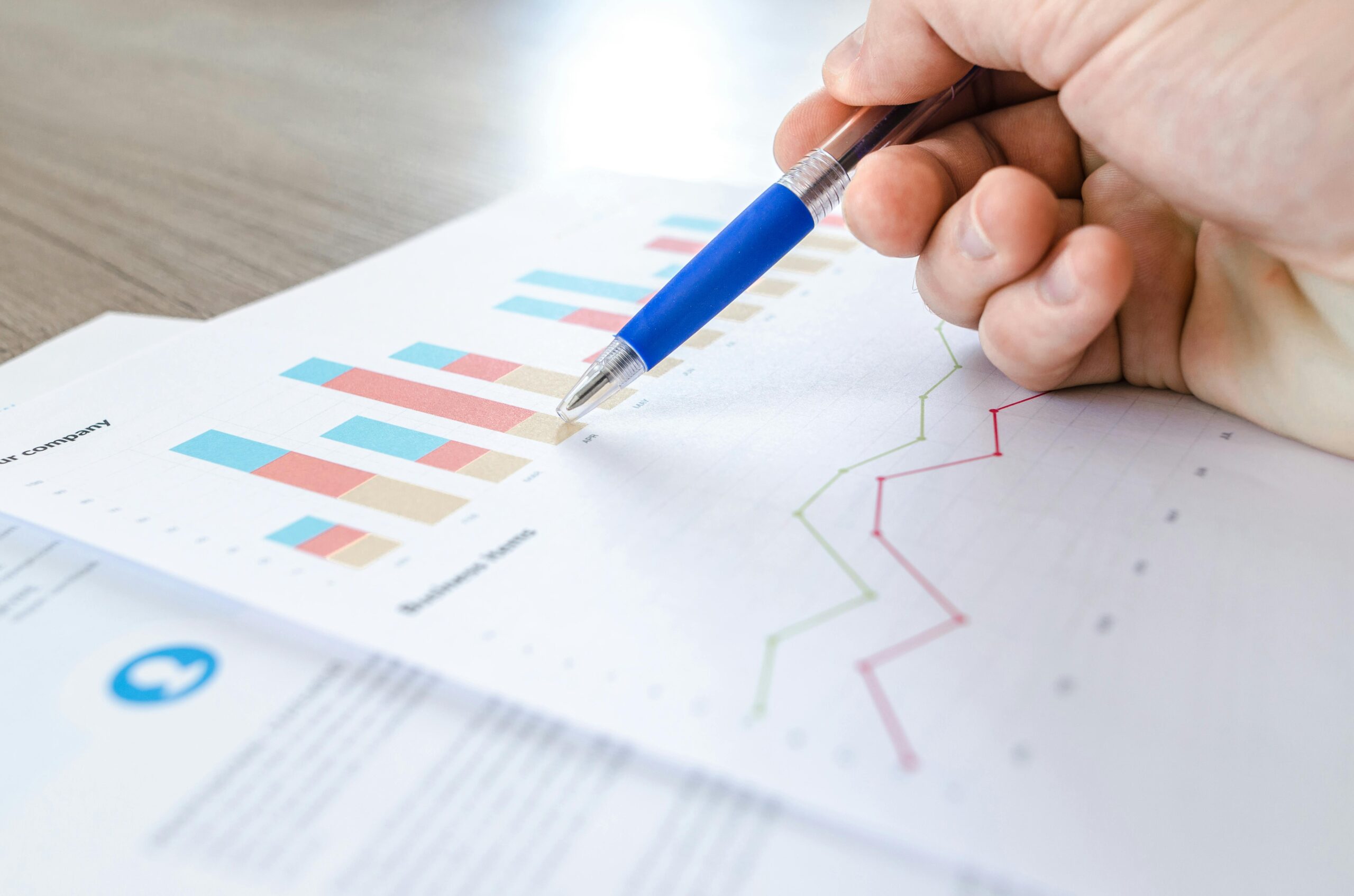
Predictive analytics is revolutionizing how organizations approach sustainability, transforming environmental planning from reactive measures into proactive, data-driven strategies that shape a greener tomorrow.

🌍 The Convergence of Data Science and Environmental Stewardship
The intersection of predictive analytics and sustainability planning represents one of the most promising frontiers in our collective effort to address climate change and environmental degradation. As organizations worldwide grapple with the urgent need to reduce their carbon footprint and implement sustainable practices, the ability to forecast environmental impacts and optimize resource allocation has become invaluable.
Traditional sustainability initiatives often relied on historical data and retrospective analysis, limiting their effectiveness in preventing environmental damage before it occurs. Today’s predictive models leverage machine learning algorithms, big data processing, and advanced statistical techniques to anticipate future scenarios with remarkable accuracy. This paradigm shift enables businesses, governments, and communities to make informed decisions that balance economic growth with ecological responsibility.
The integration of predictive analytics into sustainability planning isn’t merely about adopting new technology—it’s about fundamentally reimagining how we interact with our environment. By harnessing the power of data, organizations can identify patterns, predict outcomes, and implement interventions that maximize positive environmental impact while minimizing waste and inefficiency.
📊 Understanding the Mechanics of Predictive Environmental Analytics
Predictive analytics in the sustainability context involves collecting vast amounts of environmental data from diverse sources including satellite imagery, IoT sensors, weather stations, and operational systems. This data undergoes sophisticated processing through algorithms that identify correlations, trends, and anomalies that human analysts might miss.
Machine learning models are trained on historical environmental data to recognize patterns associated with specific outcomes. For instance, a model might learn to predict energy consumption spikes based on weather patterns, occupancy rates, and seasonal variations. Once trained, these models can forecast future scenarios and recommend optimal actions to improve sustainability outcomes.
Key Components of Predictive Sustainability Systems
- Data Collection Infrastructure: IoT sensors, smart meters, and monitoring devices that continuously gather environmental metrics
- Processing Capabilities: Cloud computing platforms that handle massive datasets and perform complex calculations in real-time
- Analytical Models: Machine learning algorithms tailored to specific sustainability challenges such as waste reduction or energy optimization
- Visualization Tools: Dashboards and reporting systems that translate complex predictions into actionable insights
- Integration Frameworks: APIs and connectors that link predictive systems with operational technologies and decision-making processes
🏭 Transforming Industrial Operations Through Predictive Insights
Manufacturing and industrial sectors are among the largest contributors to environmental challenges, but they’re also where predictive analytics delivers some of the most dramatic sustainability improvements. By analyzing production data, energy consumption patterns, and supply chain logistics, companies can optimize operations to significantly reduce waste and emissions.
Predictive maintenance exemplifies this transformation. Rather than following fixed maintenance schedules or waiting for equipment failures, predictive models analyze sensor data to forecast when machinery requires servicing. This approach prevents unexpected breakdowns that often result in resource waste, reduces unnecessary maintenance activities, and extends equipment lifespan—all contributing to enhanced sustainability.
Energy consumption represents another critical area where predictive analytics drives sustainability. Advanced forecasting models predict energy demand with precision, enabling facilities to adjust their operations proactively, schedule energy-intensive processes during off-peak hours when renewable energy availability is higher, and identify opportunities for efficiency improvements.
Real-World Industrial Applications
A European automotive manufacturer implemented predictive analytics across its production facilities, resulting in a 23% reduction in energy consumption within the first year. The system analyzed thousands of variables including production schedules, ambient temperature, equipment performance, and energy prices to optimize operations continuously.
Similarly, a global chemical company deployed predictive models to optimize their supply chain logistics, reducing transportation emissions by 18% while simultaneously improving delivery efficiency. The system predicted demand fluctuations, optimized routing, and coordinated shipments to minimize empty vehicle runs and maximize load efficiency.
🌱 Revolutionizing Agriculture with Precision Forecasting
Agriculture faces mounting pressure to feed a growing global population while reducing its environmental impact. Predictive analytics offers farmers unprecedented tools to optimize resource usage, minimize chemical inputs, and maximize yields sustainably.
Precision agriculture leverages predictive models that integrate weather forecasts, soil condition data, crop growth patterns, and pest prevalence information to provide farmers with specific recommendations for irrigation, fertilization, and pest management. This targeted approach dramatically reduces water consumption, minimizes chemical runoff into ecosystems, and improves crop health.
Climate variability poses significant challenges for agricultural planning. Predictive models analyze long-term weather patterns, historical yield data, and climate projections to help farmers select crop varieties best suited to anticipated conditions, optimize planting schedules, and implement risk mitigation strategies that protect both their livelihoods and the environment.
🏙️ Building Smarter, More Sustainable Cities
Urban areas consume over two-thirds of global energy and generate approximately 70% of greenhouse gas emissions, making cities critical battlegrounds for sustainability. Predictive analytics enables urban planners and city administrators to develop data-driven strategies that enhance livability while reducing environmental impact.
Smart city initiatives integrate predictive models across multiple domains including traffic management, waste collection, energy distribution, and water systems. By forecasting demand patterns and identifying optimization opportunities, cities can reduce congestion, minimize energy waste, and improve service delivery efficiency.
Urban Sustainability Applications
- Traffic Flow Optimization: Predicting congestion patterns and adjusting signal timing to reduce idling and emissions
- Waste Management: Forecasting collection needs to optimize routes and reduce unnecessary truck trips
- Energy Grid Management: Anticipating demand fluctuations to balance renewable energy sources and prevent waste
- Water System Monitoring: Detecting potential leaks and predicting infrastructure failures before they occur
- Air Quality Management: Forecasting pollution levels and implementing proactive mitigation measures
Barcelona’s smart city initiative demonstrates the transformative potential of predictive analytics. The city deployed thousands of sensors throughout its infrastructure, feeding data into predictive models that optimize everything from street lighting to park irrigation. These initiatives reduced water consumption by 25% and cut energy costs by millions of euros annually while improving quality of life for residents.
⚡ Accelerating the Renewable Energy Transition
The intermittent nature of renewable energy sources like solar and wind presents significant challenges for grid operators. Predictive analytics addresses these challenges by forecasting renewable energy generation with increasing accuracy, enabling better integration of clean energy into power grids.
Weather prediction models combined with machine learning algorithms can forecast solar and wind energy production hours or even days in advance. This foresight allows grid operators to coordinate with conventional power plants, manage energy storage systems, and balance supply with demand more effectively, reducing reliance on fossil fuel backup generators.
Predictive analytics also optimizes renewable energy infrastructure placement. By analyzing weather patterns, topographical data, and energy demand projections, developers can identify optimal locations for solar farms and wind turbines that maximize energy production while minimizing environmental disruption and transmission losses.
💧 Water Resource Management and Conservation
Water scarcity affects billions of people globally, and climate change intensifies this challenge. Predictive analytics provides powerful tools for managing water resources sustainably, forecasting demand, identifying conservation opportunities, and preventing wastage.
Advanced models analyze precipitation patterns, groundwater levels, consumption trends, and climate projections to predict water availability and demand across different timeframes. This information enables water utilities to implement proactive conservation measures, optimize reservoir management, and plan infrastructure investments strategically.
Leak detection represents another critical application. Traditional methods identify leaks only after significant water loss occurs. Predictive models analyze pressure data, flow patterns, and infrastructure age to identify potential leak locations before they become severe, saving millions of gallons of water annually in cities worldwide.
🔄 Circular Economy and Waste Reduction
Transitioning from linear “take-make-dispose” economic models to circular systems that minimize waste requires sophisticated planning and optimization. Predictive analytics facilitates this transition by forecasting material flows, identifying recycling opportunities, and optimizing reverse logistics.
Companies use predictive models to anticipate product returns, forecast secondary material availability, and optimize remanufacturing processes. This intelligence enables businesses to design products with end-of-life recovery in mind and build supply chains that capture value from materials that would otherwise become waste.
Waste management systems increasingly rely on predictive analytics to optimize collection routes, forecast landfill capacity needs, and identify contamination risks in recycling streams. These applications reduce operational costs while improving environmental outcomes through reduced fuel consumption and increased recycling rates.
🚀 Overcoming Implementation Challenges
Despite its tremendous potential, implementing predictive analytics for sustainability planning presents several challenges that organizations must address thoughtfully.
Data quality and availability remain primary concerns. Predictive models require large volumes of accurate, relevant data to generate reliable forecasts. Organizations often struggle with data silos, inconsistent measurement standards, and gaps in historical records that limit model accuracy.
Technical expertise represents another significant barrier. Developing and maintaining sophisticated predictive models requires specialized skills in data science, machine learning, and domain-specific knowledge. Many organizations, particularly smaller ones, lack internal capabilities and must invest in training or external partnerships.
Integration with existing systems poses practical challenges. Predictive analytics must connect with operational technologies, enterprise resource planning systems, and decision-making processes to deliver value. Legacy infrastructure often resists integration, requiring significant investment in modernization.
Strategies for Successful Implementation
- Start Small: Begin with pilot projects addressing specific sustainability challenges before scaling across the organization
- Invest in Data Infrastructure: Prioritize data collection, storage, and quality management as foundational capabilities
- Build Cross-Functional Teams: Combine data scientists, sustainability experts, and operational leaders to ensure models address real needs
- Focus on Actionable Insights: Design systems that translate predictions into clear recommendations that stakeholders can implement
- Embrace Continuous Improvement: Regularly refine models based on outcomes and evolving understanding of sustainability challenges
🎯 Measuring Impact and Demonstrating Value
Quantifying the sustainability impact of predictive analytics initiatives is essential for securing ongoing investment and demonstrating progress toward environmental goals. Organizations should establish clear metrics that capture both environmental and economic outcomes.
Environmental metrics might include greenhouse gas emission reductions, water consumption decreases, waste diversion rates, and biodiversity impact indicators. Economic metrics should capture cost savings from efficiency improvements, revenue from circular economy initiatives, and risk reduction benefits.
Advanced organizations develop comprehensive sustainability dashboards that track key performance indicators in real-time, visualize progress toward targets, and highlight areas requiring attention. These tools make sustainability performance transparent to stakeholders and support data-driven decision-making at all organizational levels.
🌟 The Road Ahead: Emerging Trends and Future Possibilities
The field of predictive analytics for sustainability continues evolving rapidly, with several emerging trends poised to accelerate progress toward environmental goals.
Artificial intelligence capabilities are advancing quickly, enabling more sophisticated models that capture complex environmental interactions and generate increasingly accurate predictions. Deep learning techniques show particular promise for analyzing unstructured data sources like satellite imagery and identifying subtle patterns that traditional approaches miss.
Edge computing brings predictive capabilities closer to data sources, enabling real-time analysis and immediate response to changing conditions. This advancement is particularly valuable for applications like energy grid management and industrial process optimization where rapid decision-making delivers significant benefits.
Digital twins—virtual replicas of physical systems—integrate predictive analytics to simulate sustainability scenarios and test interventions before implementation. This technology enables organizations to experiment safely, optimize strategies, and accelerate learning without real-world risks.
Blockchain technology shows potential for enhancing transparency and trust in sustainability data. By creating immutable records of environmental metrics and predictive model outputs, blockchain can support credible sustainability reporting and enable new forms of collaboration around shared environmental goals.
🤝 Collaborative Approaches Amplify Impact
While individual organizations can achieve significant sustainability improvements through predictive analytics, collaborative approaches multiply these benefits by addressing systemic challenges that transcend organizational boundaries.
Industry consortiums are forming to share data, develop common standards, and build predictive models that benefit entire sectors. These collaborations accelerate innovation while reducing duplication of effort and enabling smaller players to access sophisticated analytical capabilities.
Public-private partnerships leverage government data resources and regulatory authority alongside private sector innovation and implementation capabilities. These collaborations tackle large-scale sustainability challenges like climate adaptation, biodiversity conservation, and circular economy transitions that require coordinated action across multiple stakeholders.
Open data initiatives make environmental data broadly accessible, enabling researchers, entrepreneurs, and communities to develop innovative applications of predictive analytics for sustainability. This democratization of data and tools accelerates the pace of innovation and ensures benefits reach diverse populations.
💡 Empowering Individuals and Communities
While much discussion of predictive analytics focuses on organizational applications, these technologies increasingly empower individuals and communities to advance sustainability at the grassroots level.
Consumer-facing applications provide personalized recommendations for reducing environmental impact based on individual behavior patterns and preferences. These tools might predict household energy consumption, suggest optimal times for electric vehicle charging, or recommend sustainable product alternatives based on purchasing history.
Community-scale applications help neighborhoods and local organizations optimize shared resources, coordinate sustainability initiatives, and measure collective impact. Predictive models can forecast community solar energy production, optimize shared mobility services, or coordinate community garden irrigation based on weather predictions.

🌈 Creating a Sustainable Legacy Through Intelligent Planning
The convergence of predictive analytics and sustainability planning represents more than a technological advancement—it embodies a fundamental shift in how humanity relates to the natural world. By harnessing data to anticipate environmental impacts and optimize resource use, we move from reactive damage control toward proactive stewardship.
The challenges facing our planet demand nothing less than transformative change across every sector of society. Predictive analytics provides the intelligence infrastructure needed to navigate this transformation effectively, enabling decisions that balance immediate needs with long-term sustainability.
Success requires commitment from leaders across business, government, and civil society to invest in data infrastructure, develop analytical capabilities, and integrate predictive insights into decision-making processes. It demands willingness to challenge conventional approaches and embrace innovation even when it disrupts comfortable patterns.
Most importantly, realizing the full potential of predictive analytics for sustainability requires keeping human values and environmental ethics at the center of technological deployment. Data and algorithms are powerful tools, but they serve purposes we define. Our collective challenge is ensuring these technologies advance genuinely sustainable outcomes that benefit both current and future generations.
The path toward a greener future is illuminated by the insights predictive analytics provides. By walking this path with determination, creativity, and unwavering commitment to sustainability, we can unlock tomorrow’s promise and create a world where human prosperity and environmental health flourish together. The tools are available, the need is urgent, and the opportunity is unprecedented—the moment to act is now.