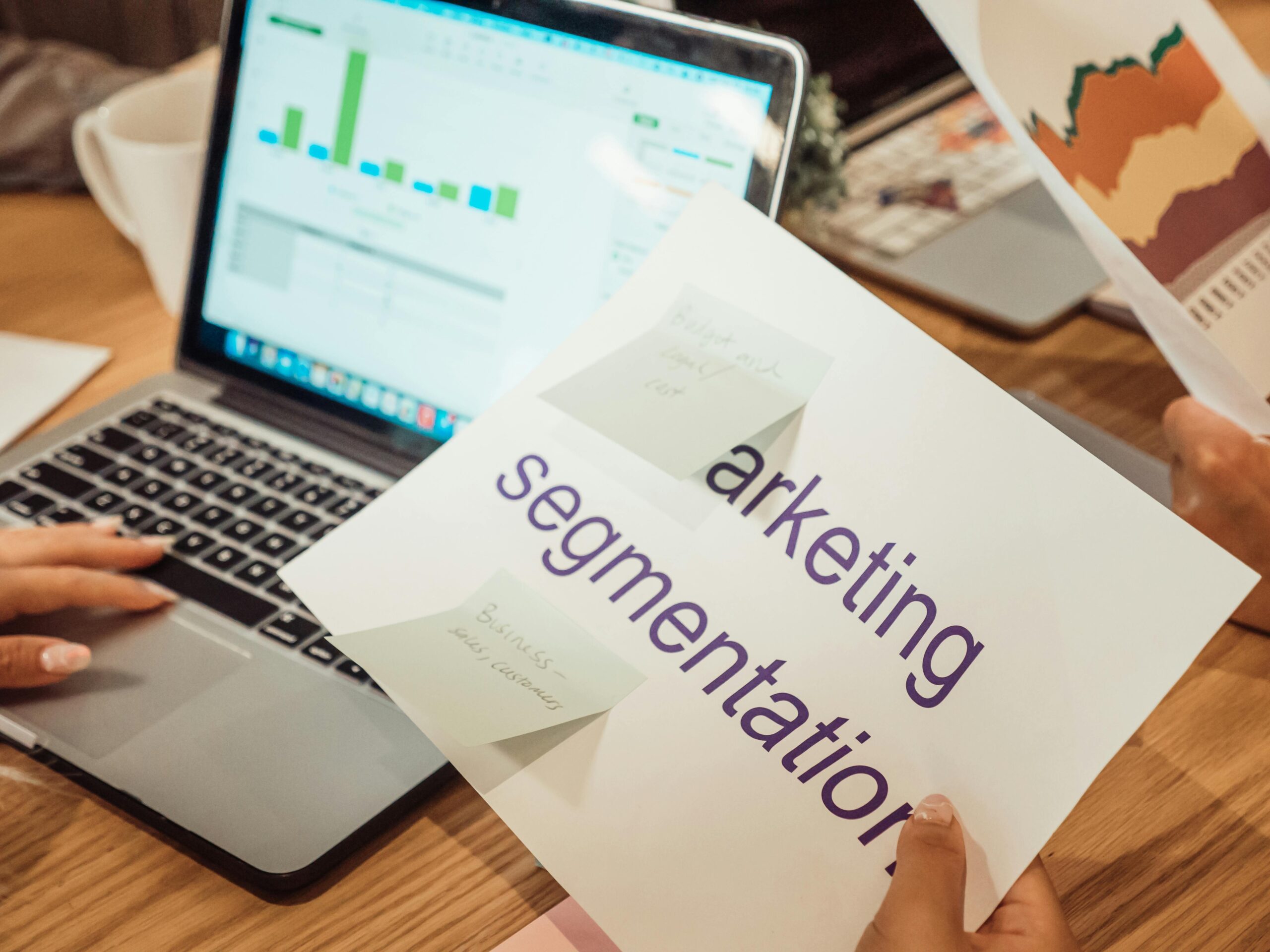
Modern businesses are drowning in data but starving for insights. Scalable data analytics platforms transform raw information into actionable intelligence, enabling organizations to unlock unprecedented growth opportunities and competitive advantages.

🚀 The Data Revolution Transforming Business Landscapes
The digital age has fundamentally altered how companies operate, compete, and deliver value. Every customer interaction, transaction, and operational process generates data points that collectively form a treasure trove of business intelligence. However, the sheer volume, velocity, and variety of data can overwhelm traditional analytics approaches, creating a critical need for scalable solutions.
Organizations that successfully harness data analytics platforms report significant competitive advantages. According to industry research, data-driven companies are 23 times more likely to acquire customers, six times more likely to retain them, and 19 times more likely to achieve profitability. These platforms democratize data access, enabling teams across departments to make informed decisions without relying solely on technical specialists.
Scalable data analytics platforms address the fundamental challenge of growing data volumes without compromising performance. They provide the infrastructure, tools, and capabilities necessary to process information efficiently, regardless of whether you’re analyzing thousands or billions of data points. This scalability ensures that investments in analytics infrastructure remain valuable as business needs evolve.
📊 Core Components of Scalable Analytics Architectures
Understanding what makes analytics platforms truly scalable requires examining their foundational elements. These components work synergistically to deliver reliable performance under varying workloads and data volumes.
Distributed Processing Capabilities
Modern analytics platforms leverage distributed computing architectures that spread data processing across multiple nodes or servers. This approach, exemplified by technologies like Apache Spark and Hadoop, allows platforms to handle exponentially larger datasets by parallelizing computations. When one server reaches capacity, the system seamlessly incorporates additional resources without requiring architectural overhauls.
The distributed nature of these systems also enhances reliability. If one node fails, others continue processing, ensuring business continuity. This redundancy proves invaluable for organizations where analytics insights drive time-sensitive decisions or support critical operations.
Cloud-Native Infrastructure
Cloud computing has revolutionized analytics scalability by eliminating traditional hardware constraints. Cloud-native platforms offer elastic resources that automatically expand or contract based on demand. During peak analysis periods, the system provisions additional computing power, then scales down during quieter periods to optimize costs.
This flexibility transforms analytics from a capital-intensive investment into an operational expense that aligns with actual usage. Organizations can experiment with advanced analytics techniques without committing to expensive infrastructure purchases, lowering barriers to innovation.
Real-Time Processing Engines
Traditional batch processing analyzes data after collection, introducing delays between events and insights. Scalable platforms incorporate real-time or near-real-time processing capabilities that analyze information as it arrives. This immediacy enables organizations to respond to opportunities and threats instantaneously.
Streaming analytics platforms process continuous data flows from sources like IoT devices, web applications, and social media feeds. Financial institutions detect fraudulent transactions milliseconds after they occur, while e-commerce platforms personalize recommendations based on current browsing behavior rather than historical patterns.
💡 Driving Business Growth Through Data Intelligence
Scalable analytics platforms deliver tangible business value across multiple dimensions, transforming how organizations identify opportunities and optimize operations.
Customer Experience Enhancement
Understanding customer behavior at granular levels enables hyper-personalization that drives engagement and loyalty. Analytics platforms aggregate data from multiple touchpoints—website visits, mobile app interactions, purchase history, customer service contacts—creating comprehensive customer profiles that reveal preferences, pain points, and purchasing patterns.
Retailers use these insights to optimize product recommendations, increasing conversion rates by presenting customers with items they’re statistically likely to purchase. Service organizations identify at-risk customers before they churn, enabling proactive retention efforts. Marketing teams segment audiences with precision, delivering targeted messages that resonate with specific demographics.
Revenue Optimization Strategies
Data analytics platforms illuminate revenue opportunities that traditional analysis methods miss. Dynamic pricing algorithms adjust product prices in real-time based on demand fluctuations, competitor pricing, inventory levels, and customer willingness to pay. Airlines and hotels have used these techniques for decades; now scalable platforms make them accessible to businesses of all sizes.
Sales teams leverage predictive analytics to prioritize leads based on conversion probability, focusing efforts on prospects most likely to generate revenue. Analytics also identify cross-selling and upselling opportunities by recognizing patterns in complementary product purchases.
Operational Efficiency Gains
Beyond revenue generation, analytics platforms identify cost reduction opportunities and operational bottlenecks. Supply chain optimization uses predictive analytics to forecast demand accurately, reducing excess inventory while preventing stockouts. Manufacturing facilities implement predictive maintenance, using sensor data to anticipate equipment failures before they occur, minimizing unplanned downtime.
Workforce analytics help organizations optimize staffing levels, matching labor resources to demand patterns. Retailers schedule employees based on foot traffic predictions, while call centers align agent availability with anticipated call volumes, improving service levels while controlling labor costs.
🎯 Making Smarter Decisions Faster
The ultimate value of analytics platforms lies in their ability to improve decision quality and speed across organizational hierarchies.
Democratizing Data Access
Traditional analytics models concentrated data expertise within specialized teams, creating bottlenecks where business users waited for reports from technical personnel. Scalable platforms incorporate self-service capabilities that empower non-technical users to explore data independently through intuitive interfaces and visualization tools.
This democratization accelerates decision-making by eliminating intermediary steps. Marketing managers test campaign hypotheses directly, product managers analyze feature adoption without IT involvement, and executives access real-time dashboards showing critical business metrics. The reduced dependency on technical resources frees data scientists to focus on advanced analytics projects rather than routine reporting.
Predictive and Prescriptive Analytics
While descriptive analytics answers “what happened” and diagnostic analytics explains “why it happened,” predictive analytics forecasts “what will happen,” and prescriptive analytics recommends “what should we do.” Scalable platforms enable organizations to progress along this analytics maturity curve.
Machine learning algorithms identify patterns in historical data to predict future outcomes with increasing accuracy. Retailers forecast seasonal demand fluctuations, healthcare providers predict patient readmission risks, and manufacturers anticipate quality issues before they affect products. Prescriptive analytics takes this further, simulating multiple scenarios to recommend optimal actions.
Evidence-Based Culture Development
Perhaps the most transformative impact of analytics platforms is cultural rather than technical. Organizations that embrace data-driven decision-making move away from intuition-based choices toward evidence-supported strategies. This shift requires not just technology but also organizational commitment to trusting data insights even when they contradict conventional wisdom.
Successful implementations involve change management initiatives that train employees in data literacy, establish governance frameworks defining data quality standards, and create feedback loops where decision outcomes validate or refine analytical models. Over time, this cultural transformation becomes a competitive differentiator as organizations consistently make better choices than competitors relying on gut instinct.
🔧 Selecting the Right Platform for Your Needs
The analytics platform market offers numerous options, each with distinct strengths suited to different use cases and organizational contexts.
Evaluation Criteria
Choosing an appropriate platform requires assessing several critical factors. Scalability should accommodate both current data volumes and anticipated growth, with flexible pricing models that align costs with value received. Integration capabilities determine how easily the platform connects with existing data sources, from databases and CRM systems to IoT devices and external APIs.
Usability considerations include whether the platform serves both technical and business users effectively. Advanced users may require coding environments supporting Python, R, or SQL, while business analysts need drag-and-drop interfaces and pre-built visualizations. Security and compliance features must meet industry regulatory requirements, particularly in sectors like healthcare, finance, and government where data privacy is paramount.
Popular Platform Categories
Enterprise data warehouse solutions like Snowflake, Google BigQuery, and Amazon Redshift excel at structured data analysis at massive scale. These platforms optimize query performance across petabytes of data, supporting hundreds of concurrent users. Their separation of storage and computing resources enables flexible scaling and cost management.
Business intelligence platforms such as Tableau, Power BI, and Looker emphasize visualization and self-service analytics. They connect to various data sources, enabling users to create interactive dashboards and reports without coding. These tools democratize analytics by making insights accessible to non-technical stakeholders.
Advanced analytics platforms including Databricks, DataRobot, and SAS Viya focus on machine learning and AI capabilities. Data scientists use these environments to develop, train, and deploy predictive models that automate decision-making or provide sophisticated forecasts.
🌟 Implementation Best Practices for Maximum Impact
Technology alone doesn’t guarantee analytics success. Organizations must approach implementation strategically to realize anticipated benefits.
Start with Clear Objectives
Successful implementations begin by defining specific business problems that analytics will address. Rather than generic goals like “becoming data-driven,” effective objectives specify measurable outcomes: reducing customer churn by 15%, improving forecast accuracy by 20%, or decreasing operational costs by 10%. These concrete targets guide platform selection, data collection priorities, and success measurement.
Prioritize Data Quality
Analytics insights are only as reliable as the underlying data. Organizations must establish data governance frameworks ensuring information accuracy, consistency, and completeness. This includes implementing data validation rules, standardizing definitions across departments, and creating processes for correcting errors promptly.
Master data management practices consolidate information about critical business entities—customers, products, suppliers—into single, authoritative sources. This consolidation eliminates discrepancies that occur when different systems maintain conflicting records, improving analysis reliability.
Foster Cross-Functional Collaboration
Analytics initiatives succeed when they bridge technical and business domains. Effective teams include data engineers who build data pipelines, data scientists who develop analytical models, and business stakeholders who provide domain expertise and ensure insights translate into action.
Regular collaboration sessions where these groups jointly review findings prevent analytics from becoming an isolated function disconnected from business realities. Business context helps data professionals ask better questions, while technical expertise helps business leaders understand what’s possible with available data.
📈 Measuring Analytics ROI and Value Realization
Demonstrating the business value of analytics investments requires establishing metrics that connect platform capabilities to organizational outcomes.
Direct Financial Impacts
Revenue increases attributable to analytics-informed decisions provide clear ROI evidence. E-commerce companies track conversion rate improvements from personalized recommendations, while B2B organizations measure sales cycle reductions enabled by predictive lead scoring. Cost savings from operational optimizations—reduced inventory carrying costs, lower maintenance expenses, decreased customer acquisition costs—offer additional quantifiable benefits.
Efficiency and Productivity Gains
Time savings represent significant value even when they don’t directly generate revenue. Self-service analytics reduces hours spent waiting for reports, enabling faster decision cycles. Automated data preparation eliminates manual data cleansing tasks that previously consumed analyst time. These efficiency gains allow teams to focus on higher-value activities rather than routine information gathering.
Strategic Advantages
Some analytics benefits resist precise quantification but remain strategically valuable. Improved decision quality that helps organizations avoid costly mistakes, enhanced agility enabling faster responses to market changes, and strengthened competitive positioning from superior customer understanding all contribute to long-term success even when immediate financial impact isn’t apparent.
🔮 Emerging Trends Shaping Analytics Futures
The analytics landscape continues evolving rapidly as new technologies and methodologies emerge.
Artificial Intelligence Integration
AI and machine learning are becoming integral to analytics platforms rather than separate capabilities. Automated machine learning (AutoML) tools enable business users to build predictive models without data science expertise. Natural language processing allows users to query data using conversational language rather than technical query syntax, further democratizing access.
Augmented analytics features automatically surface insights by scanning data for statistically significant patterns, anomalies, and trends that humans might overlook. These systems act as intelligent assistants, directing attention to information most relevant for specific decisions.
Edge Analytics Expansion
As IoT devices proliferate, processing data at the network edge—near where it’s generated—becomes increasingly important. Edge analytics reduces latency for time-critical decisions, decreases bandwidth costs by processing information locally rather than transmitting it to central servers, and enhances privacy by keeping sensitive data distributed.
Manufacturing facilities implement edge analytics for real-time quality control, autonomous vehicles process sensor data locally for split-second navigation decisions, and retail stores analyze customer behavior without transmitting video feeds externally.
Collaborative Analytics Environments
Modern platforms increasingly support collaborative workflows where teams jointly explore data, share insights, and refine analyses. These social features—commenting on dashboards, sharing queries, discussing findings—transform analytics from solitary activities into team efforts that leverage collective expertise.
🎓 Building Analytics Capabilities and Talent
Technology platforms represent only part of the analytics equation. Organizations must simultaneously develop human capabilities that maximize platform value.
Comprehensive training programs ensure employees understand not just platform mechanics but also analytical thinking principles. Data literacy initiatives teach staff to interpret statistics correctly, recognize biases, and question assumptions underlying analyses. These skills prevent misinterpretations that lead to poor decisions despite accurate data.
Organizations face competitive talent markets for experienced data professionals. Many address this by developing internal talent through apprenticeship programs, certifications, and rotation opportunities that expose employees to analytics applications across business functions. This approach builds analytics expertise while strengthening institutional knowledge that external hires lack.
🌐 Scaling Analytics Across Global Operations
Multinational organizations face unique challenges implementing analytics platforms across geographically dispersed operations with varying regulatory environments, technical infrastructures, and business processes.
Successful global implementations balance standardization with localization. Core platform components, data definitions, and governance frameworks remain consistent worldwide, ensuring comparability and enabling consolidated reporting. However, regional variations accommodate local regulatory requirements, language preferences, and market-specific analytics needs.
Data residency requirements in certain jurisdictions mandate storing citizen data within national borders, necessitating distributed architectures with regional data centers. Privacy regulations like GDPR require specific consent management and data handling capabilities. Global platforms must flexibly address these requirements while maintaining unified analytics capabilities.
🔒 Security and Governance Considerations
As analytics platforms become central to business operations, securing them against threats and ensuring appropriate data usage becomes critical.
Robust security frameworks implement multiple defensive layers. Authentication mechanisms verify user identities, authorization controls restrict data access based on roles and responsibilities, and encryption protects information both in transit and at rest. Audit logging tracks who accessed what data and when, supporting compliance requirements and threat detection.
Data governance policies define who owns different data assets, establish quality standards, specify retention periods, and outline permissible uses. Clear governance prevents misuse while enabling appropriate information sharing that supports collaboration without compromising security.

💪 Transforming Insights into Sustainable Competitive Advantage
The ultimate measure of analytics platform success is sustained competitive advantage derived from consistently superior decision-making. Organizations that extract maximum value from these platforms share common characteristics that extend beyond technology selection.
They maintain relentless focus on business outcomes rather than technical sophistication, measuring success by decisions improved and results achieved rather than models deployed or data processed. They iterate continuously, treating analytics as an ongoing capability development journey rather than a one-time implementation project. They embrace experimentation, creating safe environments where teams test hypotheses, learn from failures, and progressively refine approaches.
Most importantly, they recognize that analytics platforms amplify human judgment rather than replace it. The most powerful insights emerge when technological capabilities combine with domain expertise, critical thinking, and creative problem-solving that only humans provide. Platforms handle computational heavy lifting, freeing people to focus on interpretation, contextualization, and the strategic thinking that drives meaningful business transformation.
Scalable data analytics platforms represent foundational infrastructure for modern business success. They transform overwhelming data volumes into strategic assets, enabling organizations to understand customers deeply, optimize operations continuously, and navigate uncertainty confidently. As data volumes continue growing exponentially and competitive pressures intensify, these platforms shift from competitive advantages to competitive necessities. Organizations that invest strategically in analytics capabilities today position themselves to lead industries tomorrow, powered by insights that drive smarter decisions, operational excellence, and sustained growth across every business dimension.