Modern businesses thrive on data-driven decisions, and understanding customer behavior has become the cornerstone of sustainable growth in today’s competitive marketplace. 📊

The digital transformation has fundamentally changed how companies interact with their customers, creating unprecedented volumes of data at every touchpoint. From website clicks to purchase patterns, social media engagement to customer service interactions, businesses now have access to a treasure trove of information that can reveal the hidden patterns driving consumer decisions. However, raw data alone provides little value—it’s the ability to transform this information into actionable insights through Business Intelligence (BI) analytics that separates market leaders from those struggling to keep pace.
Business Intelligence analytics represents more than just software or reporting tools; it’s a comprehensive approach to understanding the story your customers are telling through their actions. When properly implemented, BI solutions can decode complex behavioral patterns, predict future trends, and illuminate opportunities that might otherwise remain invisible. The challenge many organizations face isn’t a lack of data—it’s the ability to extract meaningful insights from the overwhelming volume of information available.
📈 The Foundation: Understanding Customer Behavior Analytics
Customer behavior analytics examines how individuals interact with your business across multiple channels and touchpoints. This discipline combines quantitative data—such as transaction history, browsing patterns, and engagement metrics—with qualitative insights about preferences, motivations, and pain points. The goal is to create a comprehensive understanding of not just what customers do, but why they do it.
Traditional business approaches often relied on intuition or limited sample surveys to understand customer preferences. Today’s BI analytics platforms process millions of data points in real-time, identifying correlations and patterns that human analysis would never uncover. This shift from reactive to predictive analytics enables businesses to anticipate customer needs before they’re explicitly expressed, creating opportunities for proactive engagement and personalized experiences.
The Customer Data Ecosystem
Modern customers generate data across an increasingly complex ecosystem of touchpoints. Website visits, mobile app usage, email interactions, social media engagement, purchase transactions, customer service calls, and in-store behavior all contribute to a comprehensive behavioral profile. BI analytics platforms aggregate these disparate data sources into unified customer views, breaking down the silos that traditionally fragmented customer understanding.
The richness of this multi-channel data provides unprecedented insights into the customer journey. Analytics can reveal where customers first discover your brand, which touchpoints influence their purchase decisions, what causes cart abandonment, and which factors drive long-term loyalty. This holistic perspective enables businesses to optimize each stage of the customer lifecycle strategically.
🔍 Key Metrics That Drive Business Intelligence
Effective BI analytics focuses on metrics that directly correlate with business outcomes. While the specific KPIs vary by industry and business model, certain fundamental metrics provide universal value in understanding customer behavior and driving growth.
Customer Acquisition Cost (CAC) measures the total investment required to convert a prospect into a paying customer. BI analytics helps optimize this metric by identifying which channels, campaigns, and messaging resonate most effectively with target audiences. By tracking CAC across different segments and time periods, businesses can allocate marketing resources more efficiently and improve overall return on investment.
Customer Lifetime Value (CLV) represents the total revenue a business can expect from a single customer over the entire relationship. BI tools calculate CLV by analyzing purchase frequency, average order value, retention rates, and customer longevity. Understanding which customer segments deliver the highest lifetime value enables businesses to prioritize retention efforts and tailor experiences to maximize long-term relationships.
Churn rate identifies the percentage of customers who discontinue their relationship with your business over a specific period. Advanced BI analytics doesn’t just measure churn—it predicts which customers are at risk based on behavioral indicators, enabling proactive intervention before relationships end. Reducing churn by even small percentages can dramatically impact profitability, as retaining existing customers typically costs far less than acquiring new ones.
Behavioral Engagement Metrics
Beyond transactional data, engagement metrics reveal how customers interact with your brand across touchpoints. Website session duration, page views per visit, email open rates, social media interactions, and feature usage within applications all provide insights into customer interest and satisfaction levels. BI platforms track these metrics longitudinally, identifying trends that signal changing preferences or emerging issues.
Conversion metrics throughout the customer journey illuminate where friction exists in your processes. Analyzing drop-off points in checkout flows, feature adoption rates, or support ticket patterns helps businesses identify and eliminate obstacles to customer success. The more seamlessly customers can accomplish their goals, the stronger their relationship with your brand becomes.
💡 Transforming Data into Strategic Advantages
The true power of BI analytics emerges when insights translate into concrete business actions. Data visualization, predictive modeling, and automated reporting transform complex datasets into clear recommendations that drive strategic decision-making across the organization.
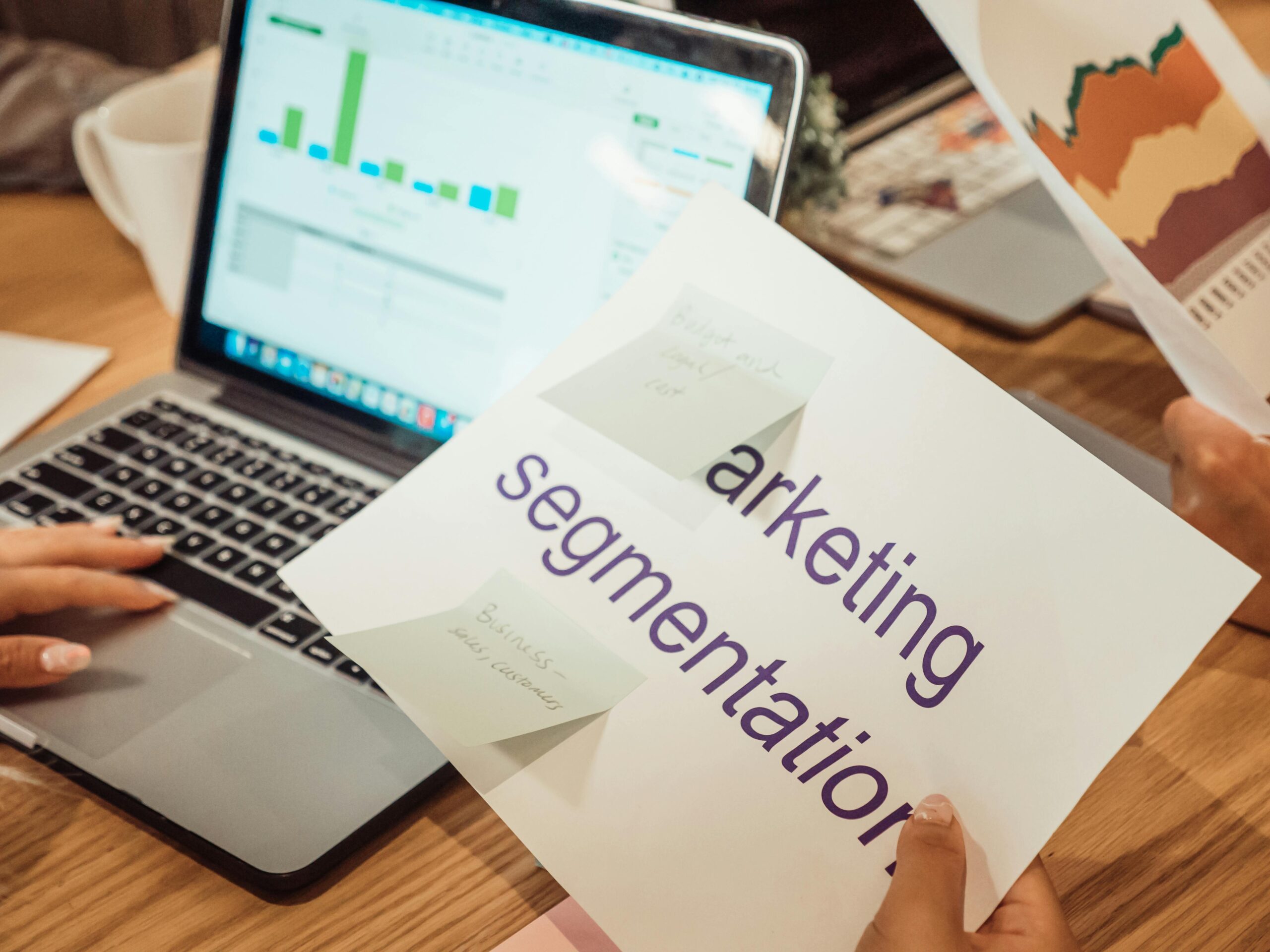
Segmentation represents one of the most powerful applications of customer behavior analytics. By grouping customers based on shared characteristics, behaviors, or preferences, businesses can tailor products, messaging, and experiences to resonate with specific audiences. Advanced BI tools identify segments that aren’t immediately obvious, revealing niche opportunities or underserved markets that competitors might overlook.
Personalization at scale becomes possible when BI analytics processes individual customer data in real-time. Recommendation engines suggest products based on browsing history and similar customer preferences. Dynamic pricing adjusts offers based on purchase likelihood and competitive positioning. Content personalization delivers messaging that aligns with individual interests and journey stages. These personalized experiences dramatically improve conversion rates and customer satisfaction.
Predictive Analytics and Forecasting
Perhaps the most transformative capability of modern BI analytics is the ability to predict future behaviors with remarkable accuracy. Machine learning algorithms analyze historical patterns to forecast trends, identify emerging opportunities, and anticipate potential challenges before they materialize.
Demand forecasting helps businesses optimize inventory levels, reducing both stockouts that frustrate customers and excess inventory that ties up capital. By analyzing seasonal patterns, promotional impacts, and market trends, BI systems generate accurate predictions that inform procurement and production decisions. This predictive capability becomes increasingly sophisticated as algorithms learn from ongoing results.
Propensity modeling identifies which customers are most likely to respond to specific offers, purchase particular products, or churn in the near future. This intelligence enables targeted interventions—reaching out to at-risk customers with retention offers, recommending complementary products to those most likely to purchase, or focusing acquisition efforts on prospects matching high-value customer profiles.
🚀 Implementation Strategies for Maximum Impact
Successfully implementing BI analytics requires more than selecting the right technology platform. Organizations must develop comprehensive strategies that address data quality, organizational alignment, and cultural adoption to maximize the return on their analytics investments.
Data governance establishes the foundation for reliable analytics. Clear policies around data collection, storage, security, and usage ensure consistency and compliance across the organization. Regular data quality audits identify and correct issues with accuracy, completeness, or timeliness that could compromise analytical insights. Without trustworthy data, even the most sophisticated analytics tools produce unreliable results.
Integration across systems presents one of the primary challenges in BI implementation. Customer data often resides in disconnected systems—CRM platforms, e-commerce databases, marketing automation tools, support systems, and financial software. Effective BI solutions create unified data environments where information flows seamlessly between systems, providing the comprehensive view necessary for meaningful analysis.
Building an Analytics-Driven Culture
Technology alone doesn’t create business value—people do. Successful BI initiatives require cultivating an organizational culture where data-driven decision-making becomes the norm rather than the exception. This transformation involves training, communication, and demonstrating the tangible benefits of analytics-based approaches.
Democratizing access to insights empowers teams throughout the organization to leverage customer behavior data in their daily work. Self-service analytics platforms enable marketing teams to segment audiences, sales professionals to prioritize prospects, product managers to identify feature priorities, and customer success teams to personalize support—all without requiring technical expertise in data science.
However, democratization must be balanced with governance. Clear guidelines about data interpretation, appropriate use cases, and privacy considerations prevent misuse while encouraging exploration. Regular training ensures team members understand both the capabilities and limitations of analytics tools, fostering realistic expectations and informed decision-making.
🎯 Real-World Applications Across Industries
BI analytics transforms customer behavior into business growth across diverse sectors, though the specific applications vary by industry context and business model.
In retail, customer behavior analytics optimizes everything from store layouts to pricing strategies. Analyzing foot traffic patterns informs product placement decisions, maximizing exposure for high-margin items. Purchase history analysis enables personalized recommendations that increase basket sizes. Predictive models forecast seasonal demand, ensuring optimal inventory levels across locations.
Financial services institutions leverage BI analytics to detect fraud, assess credit risk, and personalize product offerings. Transaction pattern analysis identifies anomalies that may indicate fraudulent activity, often catching issues before customers notice problems. Behavioral data informs credit decisions with greater accuracy than traditional scoring models alone. Personalized financial advice based on spending patterns and life stage increases engagement and customer satisfaction.
E-commerce and Digital Platforms
Digital businesses possess inherent advantages in customer behavior analytics, as every interaction generates trackable data. E-commerce platforms analyze browsing patterns, cart behavior, and purchase history to optimize user experiences continuously. A/B testing evaluates design variations, feature implementations, and messaging approaches based on actual customer responses rather than assumptions.
Subscription-based businesses rely heavily on behavioral analytics to manage churn and maximize lifetime value. Usage patterns signal engagement levels, with declining activity often predicting future cancellations. Proactive outreach to at-risk subscribers—offering assistance, highlighting underutilized features, or providing limited-time incentives—significantly improves retention rates. BI analytics identifies which interventions work best for different customer segments, enabling increasingly targeted retention strategies.
⚙️ Overcoming Common Implementation Challenges
While the benefits of BI analytics are compelling, organizations frequently encounter obstacles during implementation that can derail initiatives or limit their effectiveness. Understanding these challenges and developing mitigation strategies increases the likelihood of successful deployment.
Data silos represent perhaps the most common technical challenge. When customer information resides in disconnected systems with incompatible formats or limited integration capabilities, creating unified analytics becomes difficult. Organizations must invest in data integration tools, establish clear data standards, and sometimes re-architect systems to enable the seamless information flow that comprehensive analytics requires.
Privacy and compliance considerations add complexity to customer behavior analytics in an era of increasing regulation. GDPR, CCPA, and similar frameworks impose strict requirements around data collection, storage, usage, and customer consent. BI implementations must incorporate privacy-by-design principles, ensuring analytics capabilities respect customer rights while still delivering business value. Transparent communication about data usage builds trust while meeting regulatory requirements.
Managing the Analytics Skills Gap
Many organizations struggle to find talent with the necessary combination of technical expertise, business acumen, and communication skills required for effective BI analytics. Data scientists remain in high demand and short supply, while business users often lack the technical skills to leverage analytics tools independently.
Addressing this gap requires multi-pronged approaches. Investing in training develops internal capabilities, upskilling existing team members in analytics concepts and tools. Partnering with external specialists provides expertise during implementation phases and for complex analytical projects. Selecting user-friendly BI platforms with intuitive interfaces and automated insights reduces the technical barrier to entry, enabling broader organizational adoption.
🌟 Measuring Success and Continuous Improvement
Implementing BI analytics isn’t a one-time project but an ongoing journey of continuous refinement and improvement. Organizations must establish clear success metrics for their analytics initiatives and regularly evaluate whether they’re achieving intended business outcomes.
Return on investment calculations should extend beyond direct cost savings to include revenue growth, efficiency improvements, and risk reduction enabled by better insights. Businesses that can’t demonstrate tangible value from their BI investments often struggle to maintain organizational support and funding for ongoing development.
The analytics maturity model provides a framework for evaluating progress and identifying improvement opportunities. Organizations typically evolve from basic descriptive analytics (reporting what happened) through diagnostic analytics (understanding why it happened) to predictive analytics (forecasting what will happen) and ultimately prescriptive analytics (recommending optimal actions). Assessing your current position and defining the path to higher maturity levels guides strategic investment decisions.
🔮 The Evolving Future of Customer Behavior Analytics
The field of BI analytics continues evolving rapidly, with emerging technologies and methodologies creating new possibilities for understanding and responding to customer behavior. Organizations that stay current with these developments position themselves to maintain competitive advantages as the landscape shifts.
Artificial intelligence and machine learning are transforming analytics from primarily backward-looking to increasingly predictive and prescriptive. These technologies identify complex patterns humans would never detect, generate insights automatically, and even recommend specific actions to optimize outcomes. As AI capabilities mature, the barrier between insight and action continues to narrow, with systems increasingly able to implement optimizations autonomously within defined parameters.
Real-time analytics enables businesses to respond to customer behaviors instantaneously rather than analyzing historical data after the fact. When a customer abandons a shopping cart, immediate interventions—personalized emails, retargeting ads, or chatbot outreach—can recover potentially lost sales. As processing capabilities and integration improve, the delay between customer action and business response approaches zero, creating unprecedented opportunities for in-the-moment personalization.
The integration of external data sources expands the context available for customer behavior analysis. Weather patterns, economic indicators, social media trends, competitive activities, and countless other external factors influence customer decisions. BI platforms that incorporate these broader datasets alongside internal customer information provide richer, more nuanced insights into the forces shaping behavior.

📊 Making the Commitment to Analytics-Driven Growth
The competitive advantages of leveraging customer behavior through BI analytics are clear and compelling. Organizations that effectively implement these capabilities consistently outperform competitors in customer acquisition, retention, and lifetime value. However, realizing these benefits requires commitment, investment, and patience as analytics initiatives mature.
Starting with focused pilot projects rather than enterprise-wide implementations often produces better outcomes. Selecting a specific business challenge—reducing churn in a particular segment, optimizing a single marketing channel, or improving conversion at one journey stage—allows teams to demonstrate value quickly while learning lessons that inform broader rollout. These early wins build organizational momentum and support for expanding analytics capabilities.
Success ultimately depends on viewing BI analytics not as a technology project but as a fundamental shift in how your organization makes decisions. When customer behavior data becomes the foundation for strategic and tactical choices across departments, businesses unlock the full transformative potential of their analytics investments. The insights have always been hidden in your customer data—powerful BI analytics finally makes them visible, actionable, and profitable.
The journey from data to insights to growth requires commitment, but organizations that embrace this path position themselves for sustained success in increasingly competitive markets. Your customers are constantly communicating through their behaviors—are you listening? 🎧