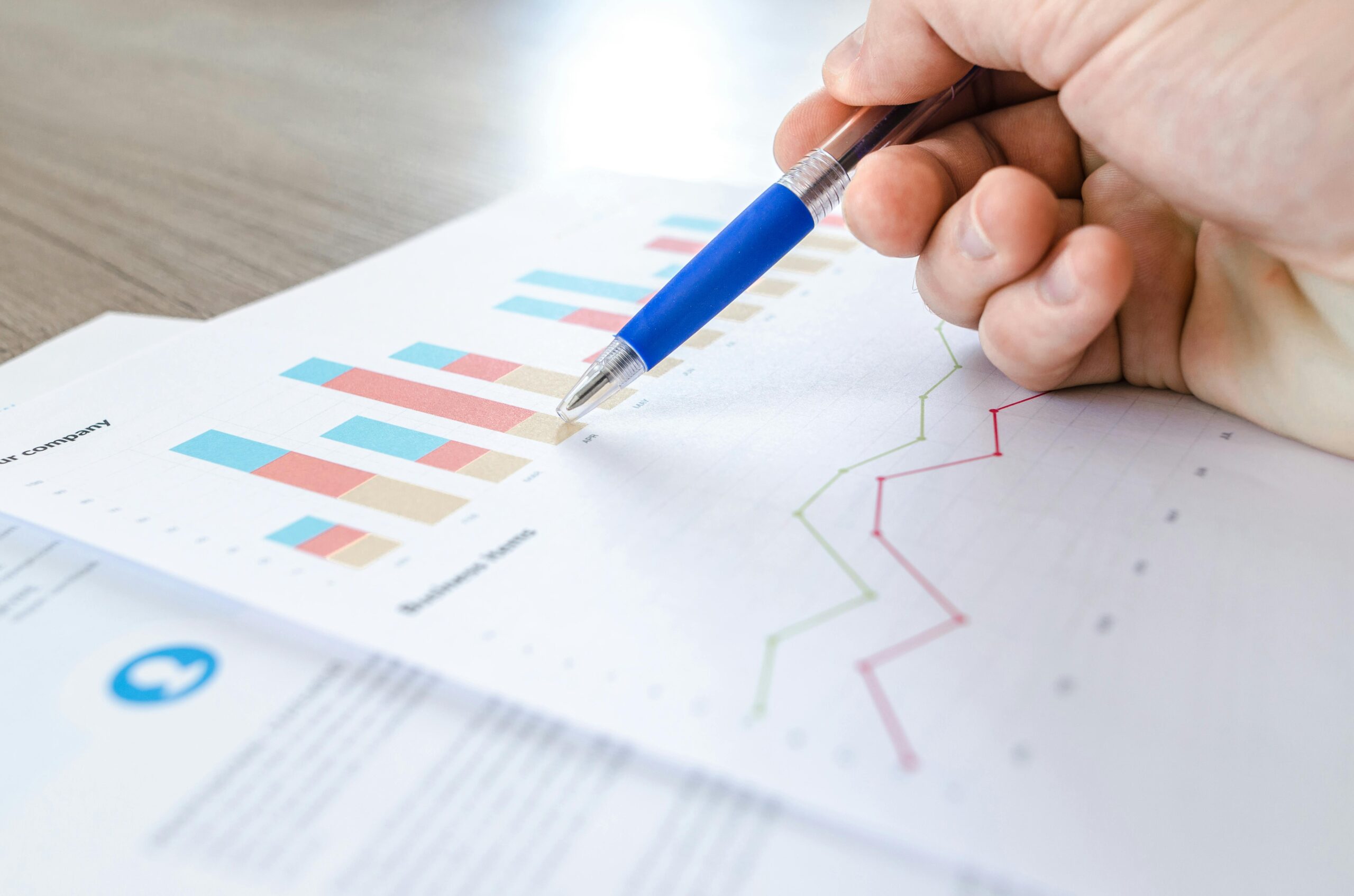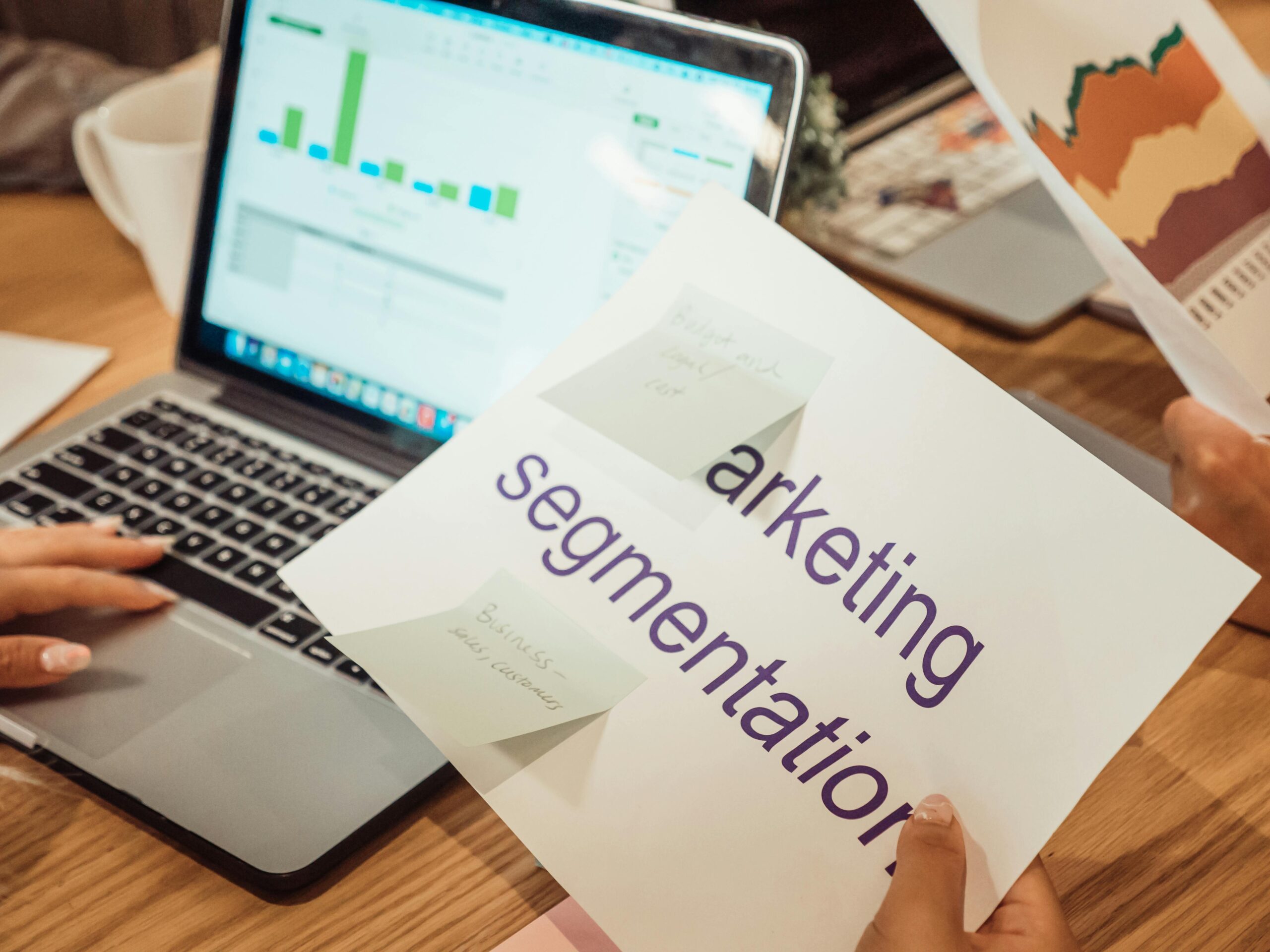
In today’s fast-paced business environment, operational efficiency dashboards have become essential tools for organizations seeking to maximize performance, streamline processes, and achieve sustainable growth in competitive markets.

🚀 The Revolutionary Impact of Real-Time Business Intelligence
Modern businesses generate massive amounts of data every single day. From customer interactions and sales transactions to supply chain movements and employee productivity metrics, this information holds the key to unlocking unprecedented operational efficiency. However, raw data alone provides little value without the right tools to transform it into actionable insights.
Operational efficiency dashboards serve as the command center for business intelligence, consolidating complex data streams into visual, intuitive formats that enable quick decision-making. These powerful platforms allow executives, managers, and team members to monitor key performance indicators in real-time, identify bottlenecks before they escalate, and capitalize on opportunities as they emerge.
The transformation from traditional reporting methods to dynamic dashboards represents a fundamental shift in how organizations approach performance management. Instead of waiting for monthly reports or quarterly reviews, decision-makers now have instant access to critical metrics that drive strategic thinking and tactical execution.
Understanding What Makes Operational Efficiency Dashboards Indispensable
An operational efficiency dashboard is far more than just a collection of charts and graphs. It’s a carefully designed interface that presents the most relevant business metrics in a format that facilitates understanding, analysis, and action. These dashboards integrate data from multiple sources across the organization, creating a unified view of performance that would be impossible to achieve through manual reporting.
The best dashboards are built around specific business objectives and customized to meet the unique needs of different stakeholders. A sales director needs different insights than a production manager, and a CFO requires different metrics than a customer service supervisor. Modern dashboard solutions accommodate these diverse requirements while maintaining consistency in data quality and reliability.
Core Components That Drive Dashboard Effectiveness
Effective operational efficiency dashboards share several fundamental characteristics that distinguish them from basic reporting tools. First and foremost is data integration capability. The dashboard must seamlessly connect with various systems throughout the organization, whether that’s ERP software, CRM platforms, inventory management systems, or HR databases.
Visual clarity represents another critical component. Information must be presented in ways that make patterns, trends, and anomalies immediately apparent. Color coding, intuitive icons, and well-designed charts help users quickly grasp complex information without extensive training or analysis.
Customization flexibility ensures that dashboards can adapt to changing business priorities and evolving analytical needs. Users should be able to adjust timeframes, filter data by specific parameters, and drill down into underlying details when surface-level metrics raise questions or concerns.
📊 Measuring What Matters: Key Performance Indicators for Operational Excellence
The true power of operational efficiency dashboards lies in their ability to track the metrics that genuinely impact business success. Identifying the right KPIs requires a deep understanding of organizational goals, industry benchmarks, and the cause-and-effect relationships that drive performance outcomes.
Financial metrics often take center stage in executive dashboards, tracking revenue growth, profit margins, operating costs, and cash flow position. These fundamental indicators provide immediate insight into the organization’s financial health and sustainability. However, focusing exclusively on financial metrics provides an incomplete picture of operational efficiency.
Process efficiency metrics reveal how effectively the organization converts inputs into outputs. These might include cycle times, throughput rates, capacity utilization, and waste reduction. In manufacturing environments, metrics like overall equipment effectiveness (OEE) and first-pass yield provide critical insights into production performance.
Customer-Centric Metrics That Drive Long-Term Value
Customer satisfaction and engagement metrics deserve prominent placement on operational dashboards because they serve as leading indicators of future financial performance. Net Promoter Score (NPS), customer retention rates, average resolution times, and customer lifetime value all provide essential context for understanding business health beyond immediate financial results.
Employee productivity and engagement metrics offer another vital perspective on operational efficiency. High turnover rates, declining engagement scores, or productivity variations across teams can signal problems that will eventually impact customer satisfaction and financial performance. Forward-thinking organizations monitor these human capital metrics with the same rigor they apply to financial indicators.
Implementing Dashboard Solutions That Transform Operations
Successfully implementing operational efficiency dashboards requires careful planning, stakeholder engagement, and a phased approach that builds momentum through early wins. Organizations that rush implementation without adequate preparation often struggle with data quality issues, user adoption challenges, and dashboards that fail to deliver meaningful insights.
The implementation journey typically begins with a thorough assessment of current reporting capabilities, identification of critical business questions that dashboards should answer, and mapping of available data sources. This discovery phase establishes the foundation for dashboard design that aligns with actual business needs rather than simply showcasing available data.
Data governance becomes paramount during implementation. Establishing clear definitions for key metrics, standardizing calculation methods, and creating accountability for data quality ensures that dashboard users can trust the information they’re seeing. Nothing undermines dashboard adoption faster than conflicting numbers or metrics that don’t align with ground-truth observations.
Choosing the Right Technology Platform
The marketplace offers numerous dashboard and business intelligence platforms, each with distinct capabilities, limitations, and ideal use cases. Enterprise-grade solutions like Power BI, Tableau, and Qlik Sense provide comprehensive functionality for large organizations with complex data environments and diverse analytical needs.
Cloud-based platforms offer compelling advantages including rapid deployment, automatic updates, scalability, and lower upfront costs. Solutions like Google Data Studio, Looker, and Domo enable organizations to implement sophisticated dashboards without significant infrastructure investments or lengthy installation processes.
For organizations with specific industry requirements or unique operational processes, custom dashboard development may provide the best path forward. While requiring greater initial investment, custom solutions deliver precisely tailored functionality that addresses distinctive business needs without unnecessary complexity.
💡 Unlocking Hidden Opportunities Through Advanced Analytics
Modern operational efficiency dashboards go beyond simple performance monitoring to incorporate predictive analytics, trend identification, and prescriptive recommendations. These advanced capabilities transform dashboards from passive reporting tools into active contributors to strategic planning and operational optimization.
Machine learning algorithms can analyze historical patterns to forecast future performance, identify emerging risks before they materialize, and suggest optimal resource allocation strategies. Predictive maintenance dashboards, for example, can anticipate equipment failures and recommend preventive interventions that minimize downtime and reduce repair costs.
Anomaly detection capabilities automatically flag unusual patterns that might indicate problems or opportunities. Whether it’s sudden changes in customer behavior, unexpected variations in production quality, or unusual patterns in employee time allocation, automated alerts ensure that significant deviations receive prompt attention.
Creating a Culture of Data-Driven Decision Making
Technology alone cannot transform organizational performance. The most sophisticated dashboard provides little value if users don’t trust the data, understand the insights, or possess the authority to act on recommendations. Building a data-driven culture requires leadership commitment, ongoing training, and organizational structures that empower people to make decisions based on evidence rather than intuition.
Regular dashboard review sessions create accountability and reinforce the importance of metrics-based management. When leadership teams consistently reference dashboard insights during strategic discussions and operational reviews, they signal that data-driven decision making represents more than just a buzzword or passing trend.
Celebrating wins that resulted from dashboard insights reinforces positive behaviors and encourages broader adoption. When team members see concrete examples of how dashboard data led to improved outcomes, they become more engaged with the tools and more likely to incorporate insights into their daily workflows.
Real-World Success Stories: Organizations Transformed by Dashboard Excellence
Manufacturing companies have achieved remarkable efficiency gains through comprehensive operational dashboards that provide real-time visibility into production processes. One automotive parts manufacturer reduced production downtime by 34% within six months of implementing an integrated dashboard that monitored equipment performance, quality metrics, and maintenance schedules.
Retail organizations leverage dashboards to optimize inventory management, staffing levels, and promotional effectiveness. A national specialty retailer used dashboard analytics to identify slow-moving inventory patterns and adjust purchasing decisions, ultimately reducing excess inventory carrying costs by $2.3 million annually while improving product availability.
Healthcare providers utilize operational dashboards to enhance patient care quality while managing costs. Hospital systems track patient flow, resource utilization, treatment outcomes, and operational expenses through integrated dashboards that enable both clinical and administrative teams to identify improvement opportunities and measure intervention effectiveness.
Service Industry Innovations Driving Customer Satisfaction
Professional services firms employ dashboards to monitor project profitability, resource utilization, and client satisfaction in real-time. One consulting firm increased project margins by 18% after implementing dashboards that provided project managers with daily updates on budget consumption, timeline progress, and scope changes.
Contact centers have transformed operations through dashboards that track call volumes, average handle times, first-call resolution rates, and customer satisfaction scores. These insights enable real-time adjustments to staffing levels, identify training opportunities, and recognize high-performing team members who consistently deliver exceptional service.
🎯 Overcoming Common Implementation Challenges
Despite their transformative potential, operational efficiency dashboard implementations face predictable challenges that can derail success if not properly addressed. Understanding these obstacles and developing mitigation strategies significantly increases the likelihood of achieving desired outcomes.
Data silos represent one of the most persistent challenges. When critical information resides in disconnected systems that don’t communicate effectively, creating comprehensive dashboards becomes technically complex and politically challenging. Breaking down these silos requires both technological solutions and organizational commitment to data sharing.
User resistance often emerges when dashboards threaten established workflows or create transparency that some stakeholders find uncomfortable. People may worry that increased visibility into their performance will lead to micromanagement or unfair comparisons. Addressing these concerns through clear communication, participatory design processes, and emphasis on improvement rather than punishment helps overcome resistance.
Maintaining Dashboard Relevance Over Time
Business priorities evolve, competitive landscapes shift, and operational processes improve. Dashboards that remain static quickly become irrelevant and lose user engagement. Establishing governance processes that regularly review dashboard effectiveness and adjust metrics, layouts, and functionality ensures continued value delivery.
Technical maintenance also requires ongoing attention. As source systems change, data structures evolve, and integration points multiply, the technical infrastructure supporting dashboards needs regular updates and optimization. Neglecting these maintenance requirements leads to data quality issues, performance degradation, and user frustration.
Future Trends Shaping Dashboard Evolution
Artificial intelligence and natural language processing are transforming how users interact with dashboards. Instead of manually filtering data and creating custom views, users increasingly ask questions in plain language and receive instant visualizations tailored to their queries. This conversational analytics approach dramatically reduces the learning curve and makes powerful insights accessible to non-technical users.
Mobile-first design reflects the reality that decision-makers need access to critical information anywhere, anytime. Modern dashboards deliver full functionality on smartphones and tablets, enabling executives to monitor operations while traveling, managers to check performance metrics between meetings, and frontline supervisors to access real-time data on the production floor.
Augmented reality dashboards represent an emerging frontier, overlaying digital information onto physical environments. Warehouse managers might see inventory levels and picking efficiency metrics superimposed on storage racks, while maintenance technicians could view equipment performance history and service instructions displayed directly on machinery.

🌟 Taking Action: Your Roadmap to Dashboard Success
Organizations ready to harness the power of operational efficiency dashboards should begin with a focused pilot project that addresses a specific business challenge and delivers measurable value. This approach builds credibility, generates stakeholder support, and provides valuable lessons that inform broader rollout efforts.
Investing in user training ensures that dashboard implementations translate into behavioral changes and performance improvements. People need to understand not just how to navigate the interface, but how to interpret insights, question assumptions, and translate data into action. Ongoing learning opportunities help users develop increasingly sophisticated analytical capabilities over time.
Measuring dashboard impact through baseline comparisons and ongoing performance tracking demonstrates return on investment and justifies continued investment in analytics capabilities. Organizations should track both quantitative outcomes like cost reductions and efficiency gains, as well as qualitative benefits including faster decision-making and improved collaboration.
The competitive advantage belongs to organizations that effectively transform data into insights and insights into action. Operational efficiency dashboards provide the visibility, clarity, and analytical power needed to optimize every aspect of business performance. Companies that embrace these tools position themselves to outpace competitors, delight customers, and achieve sustainable growth in increasingly complex business environments.
The journey toward dashboard excellence requires commitment, investment, and cultural transformation. However, organizations that successfully navigate this journey discover unprecedented ability to identify opportunities, resolve problems, and execute strategies with precision and confidence. In an era where data drives competitive advantage, operational efficiency dashboards have evolved from nice-to-have reporting tools into essential platforms for business success.