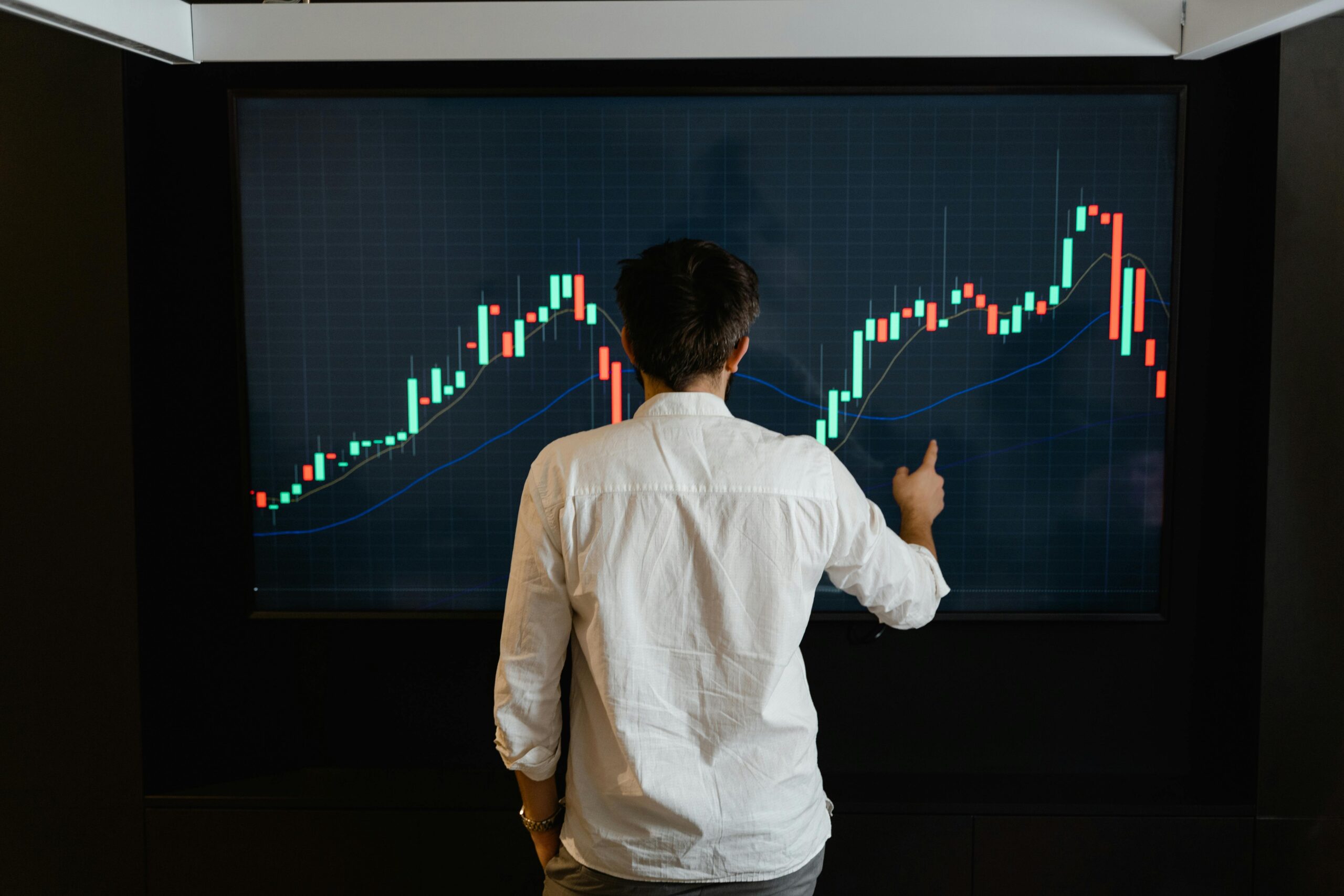
The convergence of predictive analytics and Internet of Things (IoT) is revolutionizing how businesses operate, creating unprecedented opportunities for innovation and efficiency.

In today’s rapidly evolving digital landscape, organizations are discovering that the true power lies not just in collecting data, but in anticipating what comes next. The marriage between predictive analytics and IoT devices has opened doors to possibilities that were once confined to science fiction. From smart cities that anticipate traffic patterns to manufacturing plants that predict equipment failures before they occur, we’re witnessing a transformation that’s reshaping entire industries.
This technological synergy represents more than just incremental improvement—it’s a fundamental shift in how we approach problem-solving, resource allocation, and strategic planning. As billions of connected devices generate massive streams of data every second, predictive analytics acts as the intelligent layer that transforms this information into actionable insights, enabling businesses to make smarter decisions faster than ever before.
🔮 Understanding the Predictive Analytics-IoT Partnership
Predictive analytics and IoT form a symbiotic relationship where each technology amplifies the other’s capabilities. IoT devices serve as the eyes and ears of modern digital ecosystems, continuously monitoring everything from temperature fluctuations in warehouses to heart rates in wearable fitness devices. These sensors generate enormous volumes of data—structured and unstructured—that would be overwhelming without intelligent processing systems.
This is where predictive analytics enters the picture. By applying advanced algorithms, machine learning models, and statistical techniques to IoT data streams, organizations can identify patterns, detect anomalies, and forecast future outcomes with remarkable accuracy. The result is a proactive approach to business operations that anticipates challenges and opportunities before they fully materialize.
The power of this combination lies in its ability to create feedback loops. IoT devices collect real-world data, predictive models analyze patterns and generate forecasts, and these insights inform actions that IoT systems can execute automatically. This creates intelligent, self-optimizing systems that continuously improve their performance over time.
💼 Transforming Industries Through Intelligent Predictions
Manufacturing and Industrial Operations
The manufacturing sector has emerged as one of the primary beneficiaries of predictive analytics and IoT integration. Smart factories equipped with sensors on every piece of equipment can monitor vibrations, temperatures, power consumption, and countless other variables in real-time. Predictive maintenance systems analyze these data streams to forecast when machinery will likely fail, enabling maintenance teams to intervene before costly breakdowns occur.
This approach delivers substantial financial benefits. According to industry research, predictive maintenance can reduce maintenance costs by 25-30% and eliminate breakdowns by up to 70%. Beyond cost savings, this technology minimizes unplanned downtime, extends equipment lifespan, and improves overall operational efficiency.
Healthcare Revolution
Healthcare institutions are leveraging IoT-enabled wearable devices and medical sensors combined with predictive analytics to transform patient care. Continuous monitoring of vital signs allows algorithms to detect subtle changes that might indicate deteriorating health conditions, often before patients or even healthcare professionals notice symptoms.
Remote patient monitoring systems can predict potential complications for chronic disease management, enabling early interventions that prevent hospital readmissions. In emergency departments, predictive models analyze patient flow data from IoT systems to forecast admission rates, helping hospitals optimize staffing and resource allocation.
Smart Cities and Urban Planning
Urban environments are becoming increasingly intelligent through the deployment of IoT sensors throughout city infrastructure. Traffic cameras, air quality monitors, smart streetlights, and waste management sensors generate continuous data streams that predictive analytics transforms into actionable urban intelligence.
Cities can now forecast traffic congestion patterns and dynamically adjust signal timing to optimize flow. Energy grids predict demand fluctuations and automatically balance loads to prevent outages. Public transportation systems anticipate ridership patterns to optimize routes and schedules. These innovations don’t just improve efficiency—they enhance quality of life for millions of residents.
📊 Key Technologies Powering the Revolution
Several technological pillars support the effective integration of predictive analytics and IoT systems:
- Edge Computing: Processing data closer to where it’s generated reduces latency and bandwidth requirements, enabling real-time predictions even in environments with limited connectivity.
- Machine Learning Algorithms: Sophisticated models like neural networks, random forests, and gradient boosting machines identify complex patterns in IoT data that traditional analytical approaches would miss.
- Cloud Infrastructure: Scalable computing resources provide the processing power needed to analyze massive IoT datasets and train predictive models continuously.
- Digital Twins: Virtual replicas of physical assets enable simulation and testing of predictive scenarios without risking actual operations.
- 5G Connectivity: High-speed, low-latency networks support the massive device connectivity and data transmission requirements of advanced IoT ecosystems.
🎯 Implementing Predictive IoT Solutions: A Strategic Roadmap
Starting With Clear Objectives
Successful implementation begins with identifying specific business challenges that predictive IoT can address. Rather than deploying technology for its own sake, organizations should focus on measurable outcomes like reducing operational costs, improving customer experiences, or accelerating product development cycles.
Define key performance indicators that will measure success. Whether it’s reducing equipment downtime by a specific percentage or improving forecast accuracy for demand planning, concrete metrics provide direction and enable continuous improvement.
Building the Data Foundation
The quality of predictive analytics depends entirely on data quality. Organizations must establish robust data governance frameworks that ensure IoT data is accurate, consistent, and properly integrated across systems. This includes standardizing data formats, implementing quality controls, and creating secure data pipelines that protect sensitive information.
Consider data storage strategies carefully. While cloud solutions offer scalability, edge storage might be necessary for latency-sensitive applications. Hybrid approaches often provide the optimal balance between performance and cost-effectiveness.
Selecting the Right IoT Devices and Sensors
Not all sensors are created equal. Choose IoT devices based on the specific parameters you need to monitor, considering factors like measurement accuracy, battery life, connectivity options, and environmental durability. Industrial environments require ruggedized devices that can withstand extreme conditions, while consumer applications prioritize affordability and ease of use.
Interoperability is crucial. Select devices that support open standards and can integrate seamlessly with your existing systems. Vendor lock-in can severely limit flexibility and increase long-term costs.
🚀 Advanced Applications Pushing Boundaries
Predictive Customer Experience
Retail environments are becoming remarkably intelligent through IoT sensors that track customer movements, dwell times, and product interactions. When combined with predictive analytics, this data enables personalized experiences that anticipate customer needs. Smart shelves detect when inventory runs low and automatically trigger restocking. Digital signage adapts messaging based on predicted customer demographics and preferences.
E-commerce platforms use predictive models to forecast individual purchasing behavior, optimizing everything from product recommendations to promotional timing. The result is higher conversion rates and improved customer satisfaction.
Energy Optimization and Sustainability
Environmental sustainability has become a critical priority, and predictive IoT systems are essential tools for achieving energy efficiency goals. Smart buildings use sensors to monitor occupancy, temperature, humidity, and lighting conditions, while predictive algorithms optimize HVAC and lighting systems to minimize energy consumption without compromising comfort.
Renewable energy systems leverage weather prediction models combined with IoT monitoring to forecast solar and wind generation capacity, enabling better grid integration and storage management. These innovations are accelerating the transition to sustainable energy systems.
Supply Chain Intelligence
Modern supply chains are incredibly complex networks spanning multiple continents, and predictive IoT provides the visibility and foresight needed to manage this complexity effectively. GPS trackers, temperature sensors, and condition monitors provide real-time visibility into shipment status, while predictive analytics forecast potential disruptions from weather events, port congestion, or supplier issues.
Inventory management systems use demand forecasting models fed by IoT data from retail locations to optimize stock levels across distribution networks, reducing both stockouts and excess inventory carrying costs.
⚠️ Navigating Challenges and Considerations
Security and Privacy Concerns
The proliferation of connected devices creates expanded attack surfaces that cybercriminals can exploit. Organizations must implement comprehensive security frameworks that protect IoT devices, data transmission channels, and analytical systems. This includes encryption, authentication protocols, regular security updates, and continuous monitoring for suspicious activities.
Privacy considerations are equally important, especially when IoT systems collect personal data. Compliance with regulations like GDPR, CCPA, and industry-specific requirements is non-negotiable. Transparency about data collection practices and providing users with control over their information builds trust and ensures legal compliance.
Integration Complexity
Legacy systems weren’t designed to work with modern IoT devices and analytical platforms. Integration challenges can significantly increase implementation timelines and costs. Organizations should plan for middleware solutions, APIs, and data transformation layers that bridge the gap between old and new technologies.
Change management is crucial. Employees need training to work effectively with new systems, and organizational processes may require redesign to capitalize on predictive insights fully.
Scalability Considerations
What works for a pilot project involving hundreds of devices may not scale to deployments involving millions. Architecture decisions made early in implementation can have lasting consequences. Choose platforms and frameworks that can grow with your needs, and design data pipelines that can handle exponentially increasing volumes without performance degradation.
🌟 The Future Landscape: Emerging Trends
The convergence of predictive analytics and IoT continues to evolve rapidly, with several exciting trends emerging on the horizon. Artificial intelligence is becoming more sophisticated, enabling predictive models that learn and adapt autonomously with minimal human intervention. Quantum computing promises to solve complex optimization problems that are currently intractable, opening new possibilities for predictive accuracy.
Extended reality technologies are creating immersive interfaces for interacting with predictive IoT systems, allowing technicians to visualize equipment health in augmented reality or executives to explore predictive scenarios in virtual environments. Blockchain integration is enhancing trust and transparency in IoT data, particularly important for supply chain applications where multiple parties need verified information.
The democratization of these technologies is perhaps the most significant trend. Cloud-based platforms and low-code development environments are making predictive IoT accessible to smaller organizations that previously couldn’t afford sophisticated analytical capabilities. This democratization will accelerate innovation and create competitive pressures that benefit consumers across all sectors.
🎓 Building Organizational Capabilities
Technology alone doesn’t guarantee success. Organizations must cultivate the human capabilities necessary to leverage predictive IoT effectively. This includes data scientists who can develop and refine predictive models, IoT engineers who understand device deployment and management, and business analysts who can translate technical insights into strategic actions.
Creating a data-driven culture is equally important. Leaders must champion analytics-based decision-making and create organizational structures that enable rapid response to predictive insights. Cross-functional collaboration between IT, operations, and business units ensures that technical capabilities align with business objectives.
Continuous learning programs keep teams current with rapidly evolving technologies and methodologies. Partner with universities, attend industry conferences, and participate in professional communities to stay at the forefront of predictive IoT innovations.
💡 Maximizing Return on Investment
Demonstrating clear ROI from predictive IoT investments is essential for securing ongoing support and funding. Start with pilot projects that address specific pain points and can show measurable results quickly. Success stories build momentum and justify broader deployments.
Track both direct financial benefits like cost reductions and efficiency gains, and indirect benefits such as improved customer satisfaction, enhanced brand reputation, and increased competitive advantage. Some benefits may take time to materialize fully, so establish both short-term and long-term metrics.
Benchmark performance against industry standards to understand where you stand relative to competitors. This provides context for your results and helps identify areas where additional investment could yield disproportionate returns.
🔄 Creating Sustainable Competitive Advantages
The organizations that will thrive in the coming decades are those that view predictive IoT not as a one-time implementation project but as an ongoing journey of continuous improvement and innovation. The technology landscape will keep evolving, and staying competitive requires organizational agility and willingness to adapt.
Build innovation labs or centers of excellence dedicated to exploring emerging applications of predictive analytics and IoT. Encourage experimentation and accept that not every initiative will succeed—the learnings from failures often prove as valuable as the successes.
Foster partnerships with technology providers, research institutions, and even competitors when collaborative approaches yield mutual benefits. The complexity of modern predictive IoT systems means no single organization can master every aspect independently.
The fusion of predictive analytics and IoT represents one of the most transformative technological developments of our era. Organizations that successfully harness these capabilities position themselves not just to respond to the future, but to actively shape it. The journey requires investment, commitment, and vision, but the rewards—in efficiency, innovation, and competitive advantage—make it an imperative for forward-thinking leaders across every industry. The future belongs to those who can see it coming and prepare accordingly, and predictive IoT provides the clearest window into what lies ahead.